

How to filter rainwater efficiently and safely?
Filtering rainwater isn’t a particularly complex process. However, the complexity of the filtration system will depend on what you intend to use the rainwater for. On this page, you’ll learn how to filter rainwater efficiently and safely for various uses.
Understanding the basics of rainwater filtration
A rainwater filter is a device used to purify rainwater before it is stored and reused. Rainwater filters remove leaves, dirt, sand, and other impurities that can be carried with rainwater. Purifying rainwater simply works by letting the rainwater pass through a series of filters. First, the water flows through a coarse filter that catches larger debris like leaves and twigs, then the water passes through a finer filter that removes sand and dust. Some filter systems also have a carbon filter to remove odours and chemicals and UV-filters to remove pathogens. Using rainwater instead of drinking water saves water, lowers the water bill, and protects the environment.
Questions about how to filter rainwater?
Don’t hesitate to ask them. We’d be happy to help!

Benefits of filtering rainwater
Using rainwater for various purposes
Filtered rainwater can be utilised for numerous purposes around the home and garden. It is ideal for reducing the need for potable water and lowering water bills. Filtered rainwater is suitable for irrigation, flushing toilets, washing clothes, cleaning, and much more. Thanks to its lower mineral and chemical content compared to tap water, using rainwater for these applications is often even better. Additionally, rainwater can be used in cooling and heating systems for homes and businesses.
Types of rainwater filtration systems
To properly filter your collected rainwater, you’ll need multiple rainwater filters. What types exactly will depend on the location of the rainwater system and the purpose of the filtered rainwater.
Standard filter system
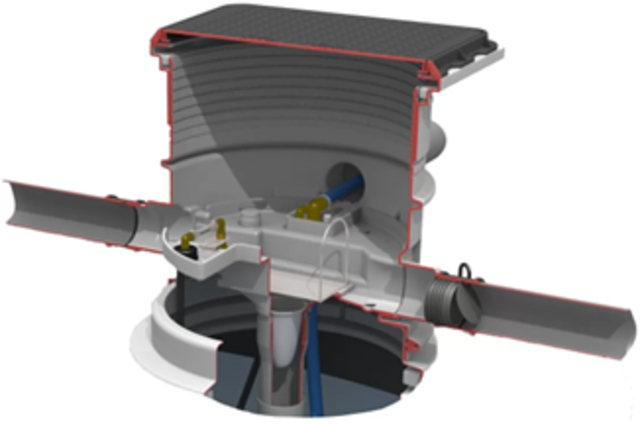
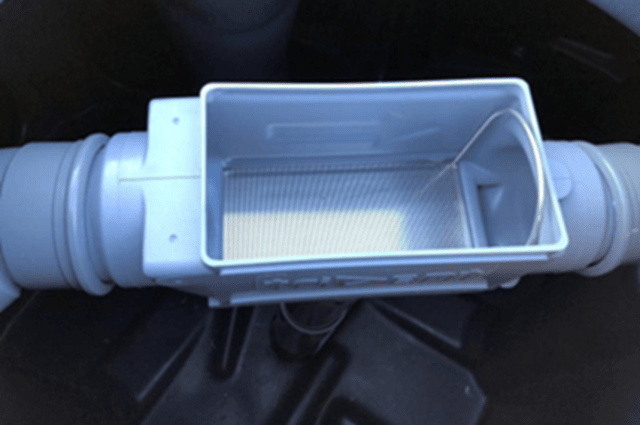
All rainwater filtration systems include at least a coarse filter to ensure that the water can flow to the tank without the risk of leaves and twigs blocking the pipe. If you only plan on using the rainwater for garden irrigation, you won’t need any additional filters. Do you also want to use the rainwater for domestic purposes? Then you’ll need to add fine filters to your system. These filters remove smaller particles, like sand and dust. These are the two most common filters in rainwater harvesting systems.
Charcoal filter system
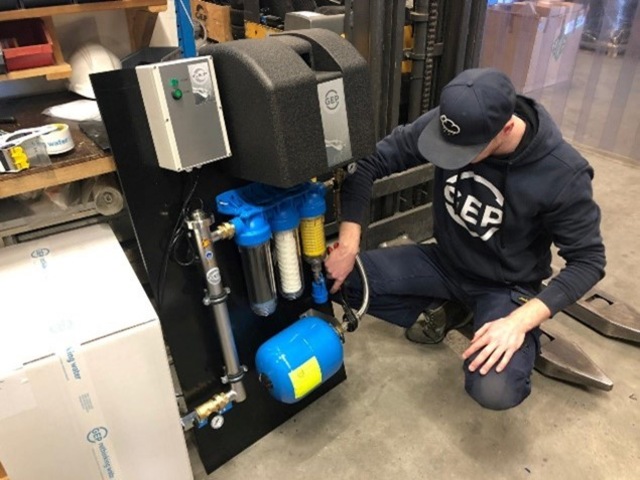
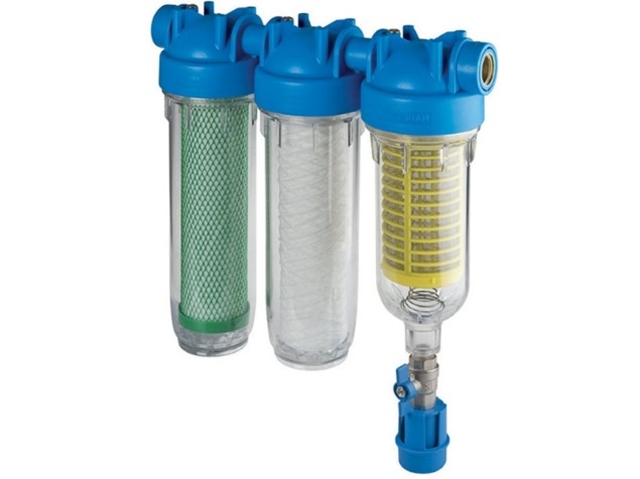
To remove the odours and colour from the collected rainwater, you’ll need to add a charcoal filter to your rainwater system. Charcoal filter work by attracting molecules to their porous carbon surface. This is called adsorption. GEP offers a three-piece filter, which is a combination of two fine filters and a charcoal filter, offering efficient filtration.
UV-filter system
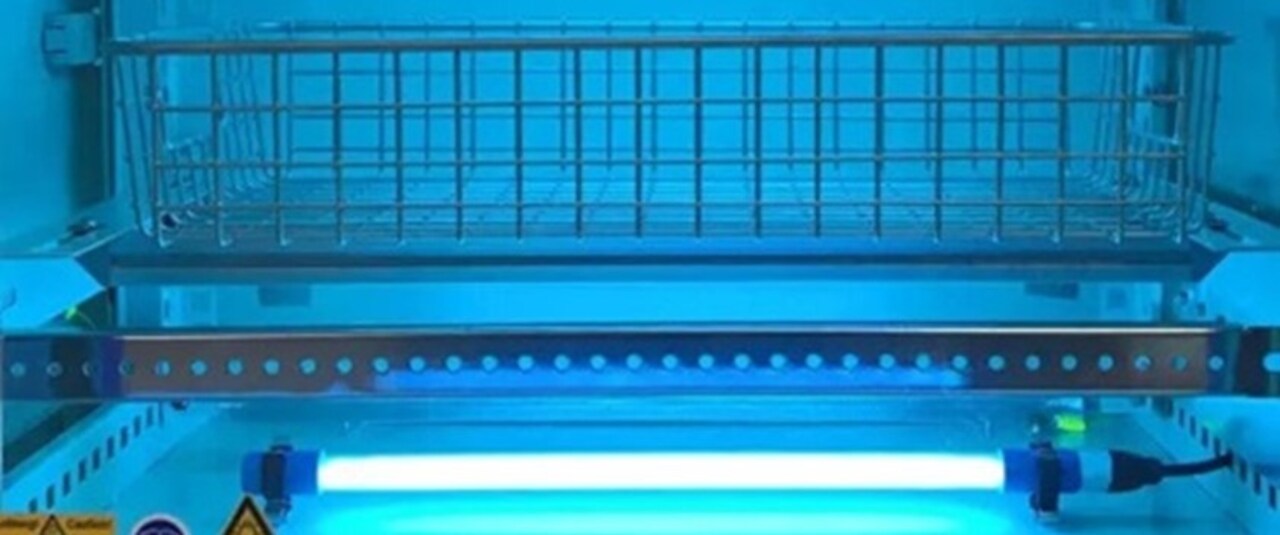
A UV rainwater filter uses ultraviolet (UV) light to purify rainwater and eliminate harmful microorganisms. As rainwater flows through the filter, bacteria, viruses, and other pathogens are exposed to this radiation, which destroys their DNA and prevents them from reproducing. Using a UV rainwater filter is crucial for water purification as it ensures high rainwater quality. This is particularly important for applications such as showers and dishwashers.
Advanced filtration techniques for potable water
If you want to use rainwater for potable purposes, you’ll need to make sure that the water quality conforms to the European norm, the EN16941. To achieve this, you’ll need a reverse osmosis (RO) system that uses pressure to force rainwater through a semi-permeable membrane, removing dissolved minerals. RO systems are efficient in generating purified water, making the rainwater useable for cooking and drinking. These systems are typically installed as a point-of-use filtration system under the kitchen sink or at the point of water consumption. Regular maintenance of these filters in necessary to ensure optimal performance and best possible water quality, this includes sanitising the system and replacing the filters.
Wondering what rainwater filters you will need?
Get in contact with us! We’ll answer all your questions.

How to filter rainwater
To filter rainwater well, the rain has to flow through a series of rainwater filters. We elaborate on how to filter rainwater below, by breaking the filtration process down into three steps: pre-filtration, primary filtration, and advanced filtration.
Pre-filtration techniques to remove debris
Coarse filters and first flush diverters are both considered as pre-filtration techniques. Coarse filters are used to remove large solids such as leaves and twigs, and first flush diverters discard the initial flow of rainwater that typically contains the most contaminants. These pre-filtration steps help lessen the load on fine filters and prevent blockages and sediment build-up in the main filtration system.
Primary filtration methods to separate contaminants
The sediment filters and fine filters are part of the primary filtration. They remove sand, dust, and dirt. After this filtration, the rainwater is ready to be used for toilet flushing, laundry, and other non-potable purposes.
Advanced filtration techniques
Installing advanced filters is a good way to elevate your water quality and get rid of all contaminants. If you’re planning on using the rainwater for potable purposes, then you need to apply all advanced filtration techniques to your system. Filters that belong to the advanced filters are charcoal filters, UV-filters and reverse osmosis filters.
Got questions about how to filter rainwater?
Ask one of our experts! You’ll receive an answer within 24 hours.
How to choose a rainwater filter
We understand that it could be a bit overwhelming choosing the right rainwater filter(s) that seamlessly fit your situation. That is why we put together a list with things you should consider before buying the filters. Are you still not sure? Not a problem! Simply contact us and let us know what you’re struggling with, one of our experts will happily help you.
Size and capacity of the filtration system
The size of your rainwater filter has to fit both your rainwater harvesting system and available space, while the capacity must handle your expected water volume. Bigger filters are better suited for high-demand applications, since they can handle more water. On the other hand, smaller filters work well in areas with restricted space and water usage. The amount of rainwater collected by your roof is mostly determined by its surface area, larger roofs collect more water and thus require larger filters.
Cost-effective filtration options
Before buying rainwater filters, it’s important to consider the cost and your budget. Prices can vary depending on the type and capacity of the filter. Think about the initial purchase price, installation costs, and ongoing maintenance expenses. Although a high-quality filter might have a higher upfront cost, it can save you money over time due to its efficiency and durability. Interested in knowing how much a filter will cost you? Request a quote to find out.
Eco-friendly filtration solutions
By utilising filtered rainwater, you support a more sustainable world. Using rainwater for garden irrigation and toilet flushing reduces your dependence on mains water. This is crucial as climate change makes drinking water increasingly scarce. Additionally, using rainwater lowers the energy consumption and CO2 emissions associated with producing drinking water. Consequently, rainwater use helps to create a more responsible and sustainable future.
Looking for guidance from an expert?
Send us your questions. We’ll get back to you within 24 hours.

How to filter rainwater for different uses
Rainwater doesn’t have to be as thoroughly clean when you only plan on using it for garden irrigation, opposed to when you want to use it for consumption. That is why you will need different filters depending on the purpose of the rainwater.
Using filtered rainwater for drinking purposes
If rainwater is thoroughly filtered and disinfected using techniques like UV treatment and carbon filtration, it can be utilised for drinking. By using these techniques, dangerous microorganisms and pollutants are successfully eliminated, ensuring that the water is safe to drink. However, in order to guarantee that the filtration system continuously delivers clean drinking water, it must be maintained and tested regularly.
Filtered rainwater in gardening and agriculture
Because of the inherent composition of collected rainwater, it is perfect for irrigation. Rainwater doesn’t include chlorine and minerals that can damage plants, unlike tap water. In addition, rainwater tends to be slightly acidic, which is good for a lot of plants. This makes rainwater perfect to use when gardening and in agriculture.
Rainwater for household use
You can safely use filtered rainwater for cleaning, laundry, and toilet flushing. Using rainwater is better than using drinking water for these applications, as rainwater doesn’t contain limescale. Furthermore, a house or workplace can be cleaned and heated or cooled by filtered rainwater.
Rainwater for industrial use
In order to cut expenses and minimise their environmental impact, industries could use rainwater to replace mains water wherever possible. Rainwater that has been collected and filtered can be used for irrigation of green areas surrounding industrial operations, cleaning of machinery, cooling systems and toilet flushing. By using this technique, operational costs and the demand on municipal water sources decrease. Utilizing rainwater can also minimise stormwater run-off, improve sustainability initiatives, and help enterprises comply with environmental regulations, all of which contribute to an industrial operation that is both greener and more efficient.
Tips for maintaining and monitoring your rainwater filtration system
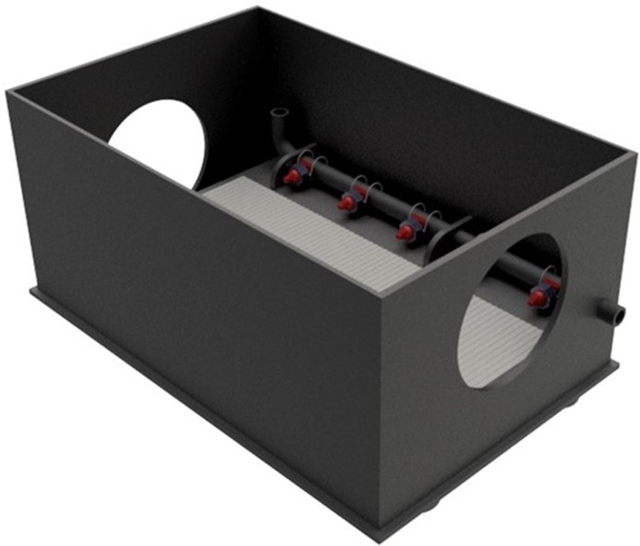
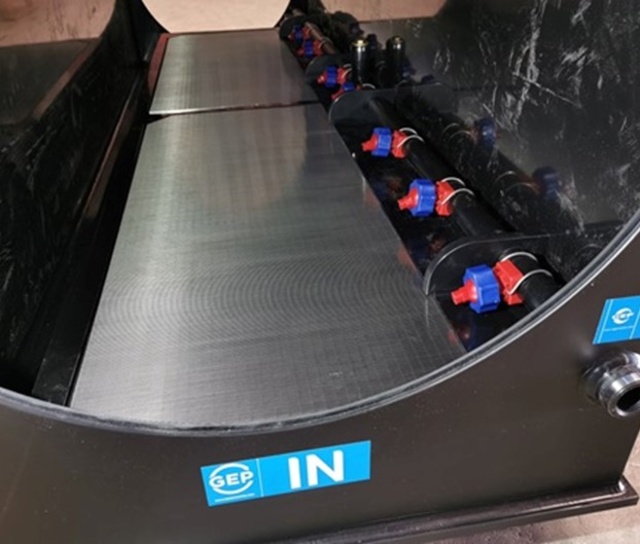
For optimal functioning of your filtration system, you need to periodically maintain the system. You could also install an automatic filter nozzle system at any time to minimize maintenance needs.
Regular cleaning and maintenance procedures
A system without a self-cleaning feature needs to be maintained two or three times a year, more if there is constant heavy rainfall. To replace the filters, unscrew the housing, and use a soft brush to scrub away any remaining debris from the housing. Furthermore, remove any debris accumulations from the coarse filters and gutters using your hands or a brush. To clean the harder-to-reach filters, use a mild cleaner diluted with water. It’s also important to examine the seals of the rainwater filtration system to make sure everything is still leak-free.
Monitoring water quality and system performance
It is also important to keep monitoring the water quality to judge the system’s performance. You can do this with a simple visual inspection, but if you want to be extra sure of your water quality, for potable uses for example, then water quality tests are more reliable. You test the quality by taking a sample of the water and sending it to a lad for examination. With a visual inspection, you check to see if the water is free from visible debris and if there are any changes in the water flow and colour of the rainwater. If any of these factors change, it could imply that your filtration system is malfunctioning.
Interested in an automatic filter nozzle system?
Get in contact with us! We’ll answer all your questions.
Promising future technologies in water filtration
Nanotechnology and smart filtration systems are revolutionising rainwater filtration by providing highly efficient and precise removal of contaminants. Nanotechnology allows for the creation of filters that can trap even the smallest particles, including bacteria, viruses, and chemical pollutants, which traditional filters might miss. Smart filtration systems use sensors and automation to monitor water quality in real-time and adjust the filtration process as needed, ensuring consistently safe and clean water. Together, these technologies offer promising solutions for purifying rainwater in the nearby future.
Nanotechnology in rainwater filtration
Nano-filters use extremely fine particles to remove contaminants at molecular level, including bacteria, viruses, and heavy metals. These advanced filters provide superior water purification, ensuring high-quality rainwater for various uses. The incorporation of nanomaterials, such as graphene and carbon nanotubes, offers increased surface area and improved adsorption capabilities, making rainwater filtration more efficient and sustainable. This technology is not yet seen in standard rainwater systems, but does represent a significant step forward in achieving cleaner, safer, and more reliable rainwater harvesting systems in the future.
Smart filtration systems
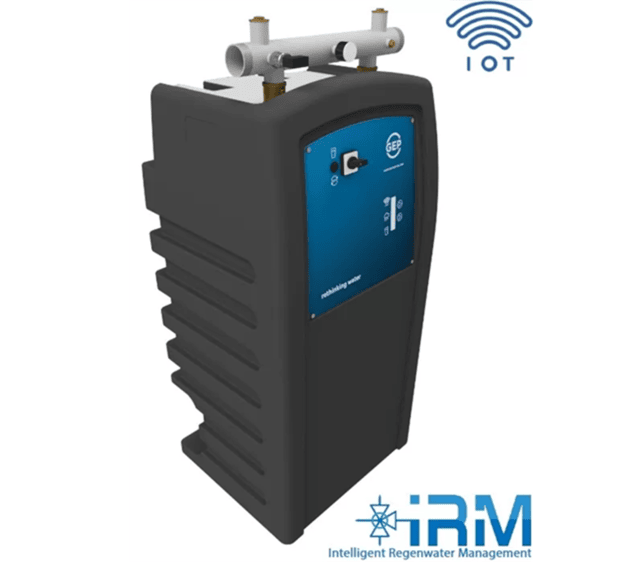
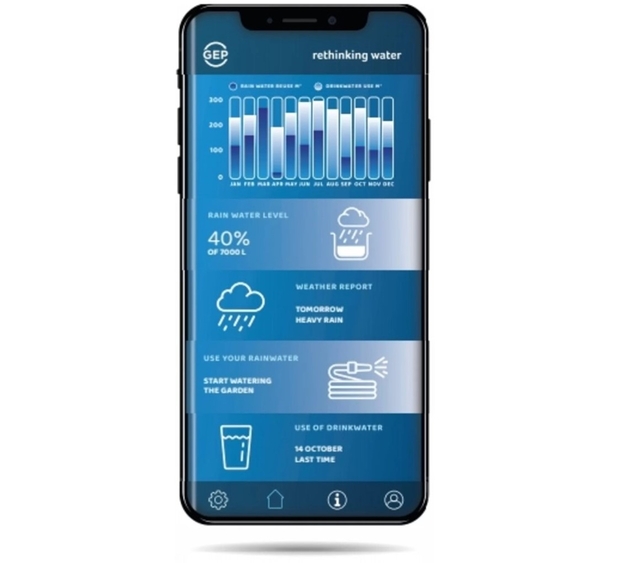
Rainwater filtration systems are starting to focus more and more on smart filtration systems. These systems consist of advanced filters, equipped with sensors and microprocessors that monitor water quality in real-time and adjust the filtration process as needed to maintain optimal performance. They can detect changes in contamination levels and modify filtration intensity accordingly. Users receive immediate feedback on the system’s status, allowing them to address potential issues before they become serious.
GEP’s conclusion: How to filter rainwater
FAQ How to filter rainwater
The frequency of cleaning your rainwater filter system depends on the type of filters you use and the environmental conditions. Generally, it’s recommended to clean your filters 2 to 3 times a year. Regularly inspecting and maintaining your system ensures optimal performance. If you purchase an automatic cleaner, you’ll only need to maintain your filter once a year.
Rainwater filters can remove a variety of contaminants, including leaves, dirt, sand, dust, bacteria, viruses, and other pathogens, depending on the filter type. Coarse filters capture larger debris like leaves and twigs, fine filters remove smaller particles such as sand and dust, carbon filters eliminate odours and chemicals, and UV filters wipe out microorganisms.
DIY rainwater filters can be effective for basic filtration needs, such as removing large debris and sediments. However, for more thorough purification, especially for potable water, professionally designed and installed systems are a must. Professional systems offer advanced filtration technologies and ensure compliance with safety standards, as they provide a higher water quality level.
The costs of installing a rainwater filtration system vary depending on the size and complexity of the system. Initial expenses include purchasing the filters, storage tanks, and necessary materials, as well as installation fees. You should also consider the maintenance cost. While high-quality systems may have higher upfront costs, they often provide long-term savings through their longevity.
To ensure your filtered rainwater is safe to drink, use a multi-stage filtration system that includes coarse and fine filters, carbon filters, UV sterilisation, reverse osmosis. Regularly maintain and clean your filters to prevent contamination. It’s also advisable to test the water quality periodically through a certified laboratory to ensure it meets drinking water standards.
Leave a Reply