

What is a rainwater harvest tank, and why is it beneficial?
When it comes to rainwater tanks, there’s plenty to choose from, which can make finding the best fit challenging. On this page, we’ll explain everything you need to know about rainwater tanks, helping you make a confident choice.
What is a rainwater harvest tank?
A rainwater harvest tank is a container used to collect and store rainwater. This water is harvested (usually) from a roof and is then directed through gutters and downspouts into the tank, where it can be stored for future use. Before the rainwater enters the tank, it almost always passes through a rainwater filter. The water that enters the tank will therefore be free of most contamination. This filtered and stored rainwater can then be used for various purposes. The primary purpose of a rainwater harvest tank is to capture rainwater that would otherwise run off into drains, reducing dependency on mains water supplies.
What are the benefits of rainwater harvest tanks?
Rainwater tanks allow you to store filtered rainwater for future use. Using filtered rainwater instead of mains water wherever possible has numerous financial and environmental benefits.
Impact on the environment
Rainwater harvesting significantly reduces stormwater run-off, which can cause erosion and carry pollutants into rivers and lakes. Besides that, by using stored rainwater for tasks such as irrigation and cleaning, there is less need for energy-intensive water treatment processes. So, rainwater harvesting not only helps promote sustainable water use, but also reduces carbon emissions associated with water treatment.
Financial benefits
Rainwater harvest tanks provide a cost-effective solution for reducing water bills, especially in areas where water prices are high or where availability is limited. Once installed, these systems supply a free source of water for non-drinking purposes like gardening, washing, and even flushing toilets. Additionally, in some places, governments offer subsidies or tax deductions for installing rainwater harvesting systems, making them even more financially appealing. Consult your government to see if this applies to you. Over time, the savings on water bills can offset the initial installation costs, providing long-term financial benefits.
Enhancing water conservation
By capturing and storing rainwater that would otherwise be lost to the sewers, rainwater harvesting plays a role in promoting water conservation. People can minimise their consumption of treated tap water by using rainwater for gardening, washing cars, or household cleaning, preserving it for essential purposes like drinking and cooking. Rainwater harvesting effectively encourages more efficient water use and supports a culture of conservation.
Reliable water source
Unlike mains water, which can be affected by restrictions or infrastructure issues, harvested rainwater provides an independent, on-site supply. For households with large gardens, farms, or businesses reliant on regular water access, a rainwater tank ensures that there is always water available, regardless of local shortages. It can also be made potable with thorough filtration, providing even more resilience in case of emergencies or water outages.
What is a rainwater harvesting tank used for?
Use for irrigation in gardens
Watering your garden can be easily done with rainwater. By running the rainwater through a coarse rainwater filter before storing it in a rainwater tank, you can then use this water to irrigate your plants. In fact, rainwater is better for your plants than tap water. This is because tap water contains lime, whereas rainwater does not. So, while saving on your water bill, you’re also taking better care of the environment.
Use for toilet flushing and laundry
When you run the rainwater through a Trident filter, instead of a coarse filter, you could use it to flush your toilet as well as use it for your washing machine. Using rainwater for your laundry is again better than using tap water, because it contains no lime. This means that the water is softer, and your clothes will last longer.
Use for car washing
Another activity that requires a lot of tap water is washing your car. This can also be easily replaced by filtered rainwater. This only requires the rainwater to run through a coarse filter. Not only households could save lots of money doing this, but washing streets could also profit from it.
What distinct types of rainwater harvest tanks are there?
What the best rainwater tank is, is hard to say without context, as it heavily depends on the situation. Rainwater harvesting tanks can be categorised into roughly two categories; above ground and below ground tanks.
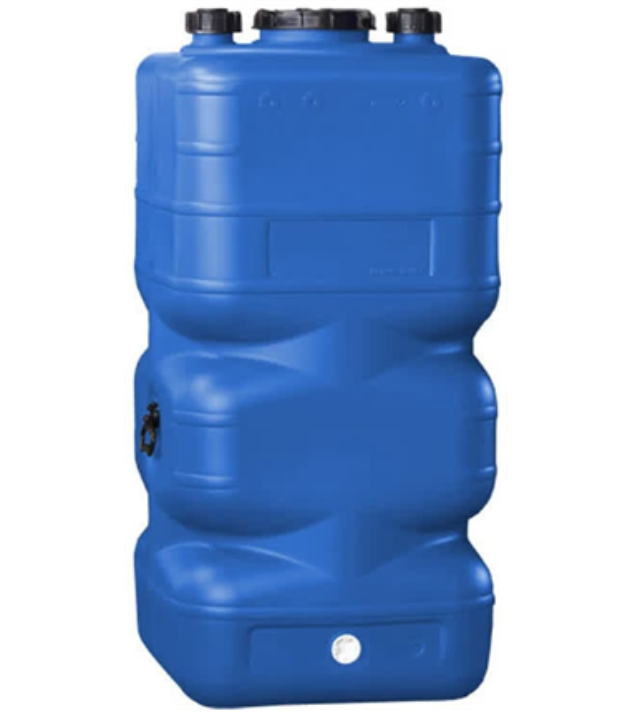
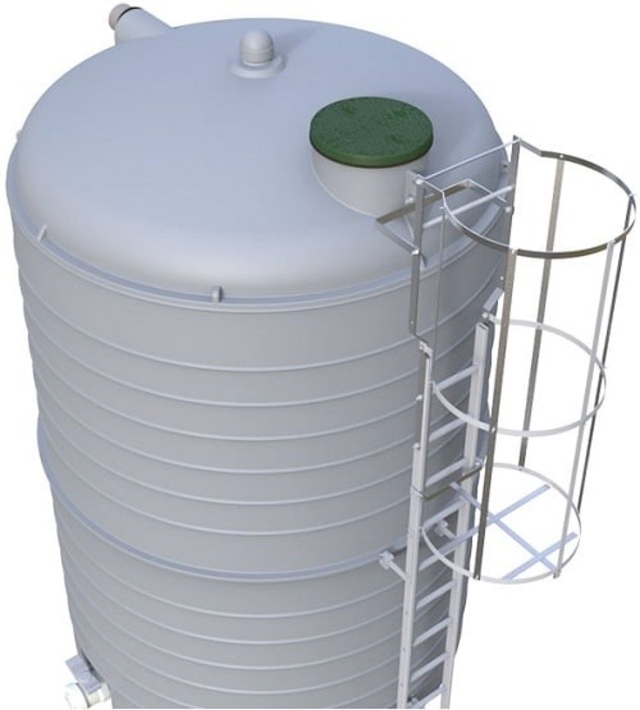
Above ground tanks
A pro for getting an above ground rainwater tank is that these tanks don’t require machinery to dig a hole for the tank to fit in. So, if the desired location of the tank is hard to reach with machinery, above ground tanks would be a great option. In addition, they are easy to install. However, a con of above ground tanks is that, even though there are some aesthetic models, people often prefer to install the tank out of sight entirely, which is not possible for these tanks.
Below ground tanks
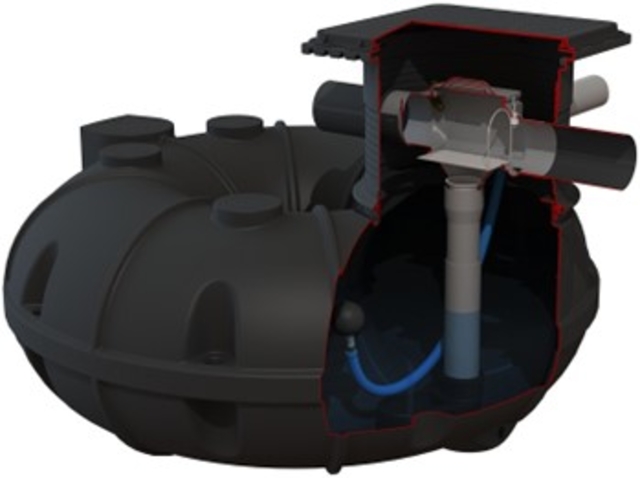
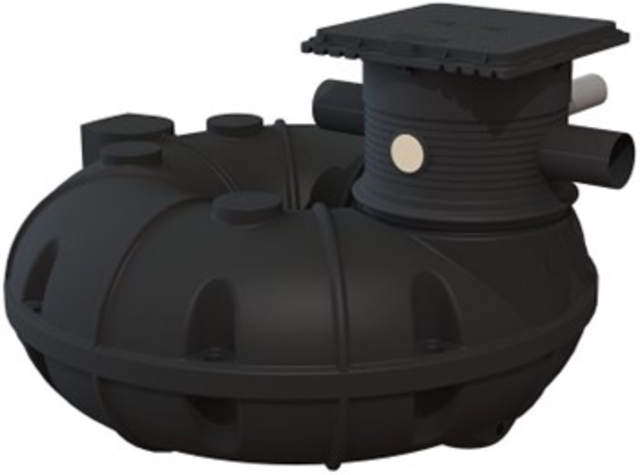
Below ground tanks are installed entirely out of sight. It is essential that the location for the installation is accessible for machinery, so that they can dig a hole for the tank to be placed in. Once installed, below ground tanks will last for a long time, especially if they’re made of concrete. This is why below ground tanks are often seen in rainwater harvesting systems.
Slimline tanks
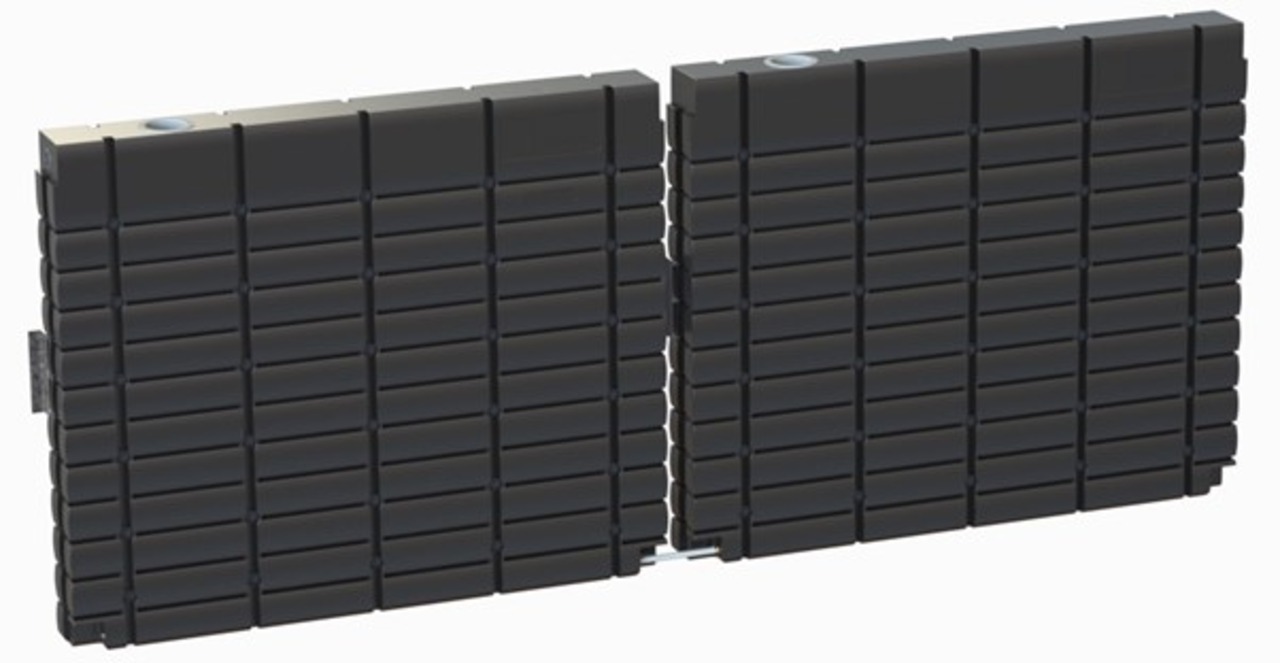
The Slimline rain tank is an above-ground rainwater system designed for a sleek and space-saving installation. Its slim profile offers an elegant and stylish solution that can fit anywhere, whether behind the carport, garage, or between a wall and fence. To further enhance and green the space, we offer ThinPots planters, which can be mounted on either side of the tank, creating a vertical garden rich in biodiversity.
Water butts
Water butts, often made from plastic, are usually placed on the ground, but can also be mounted on walls. They work well for gardens of all sizes, provided a downpipe is available. However, they come with some potential risks. Since there are often lids on water butts that can be opened manually, there is a danger of mosquito-borne diseases and Legionella. Mosquitoes, which spread various illnesses, are drawn to stagnant water, making water butts an ideal environment for them to breed. Another concern is Legionella, which are harmful bacteria that thrives in still water at temperatures above 20 °C. That’s why we advise placing your water butt in a shaded place.
Questions about the different types of rainwater tanks?
Don’t hesitate to reach out. We’ll gladly answer all your questions!

What materials are commonly used in rainwater harvest tanks?
Concrete has been used to build tanks for a long time, but newer techniques now use plastic materials instead. Both materials have their pros and cons, with concrete being more durable and plastic being lighter and easier to install.
Plastic tanks
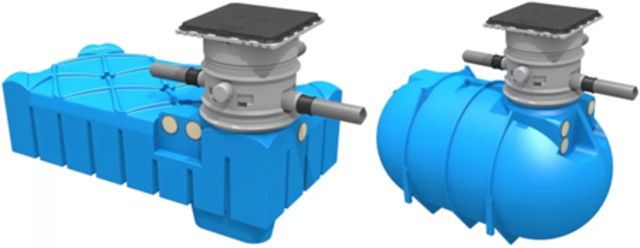
Plastic tanks are lightweight, affordable to transport, and easy to install, even in areas with limited access. Additionally, plastic tanks are immune to rust and corrosion, and they are often made in one piece, so there is little possibility of leaks. However, they are less strong than concrete tanks and can be punctured when a strong or sharp object pierces the tank. Another downside is that in regions with a high groundwater level, buried plastic tanks may shift, or even be uprooted from their intended position. As a result, careful calculations are crucial to selecting the appropriate tank.
Concrete tanks
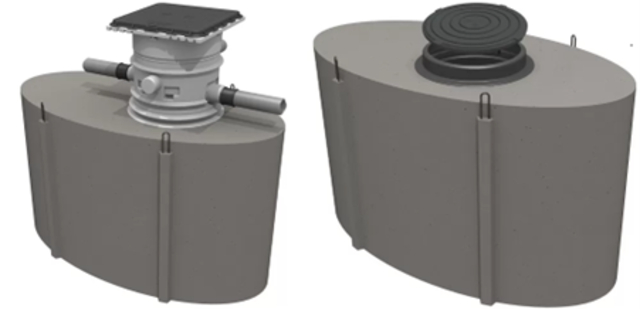
Concrete has been used to make tanks for centuries, because it can be moulded into many different shapes. On top of that, concrete is a very sturdy and durable material. This makes it so that a concrete tank will stay in its fixed place for over 50 years, regardless of high groundwater levels or ground shift. Their heavy weight also has its disadvantages. Having to transport and install so much weight will up your costs significantly.
Stainless steel tanks
Stainless steel tanks are not ideal for underground tanks due to corrosive reasons but work perfectly fine above ground. Above ground stainless steel tanks are rust and corrosion resistant and can withstand physical damage and extreme heat.
Need help from an expert?
Contact us! You’ll receive an answer within 24 hours.

How do you manage the installation?
It is important to note that GEP is only a manufacturer and that we do not install the rainwater collection systems ourselves. The precise way of installing the systems will depend on the specific installer, but the basic steps, which we explain below, will generally be the same.
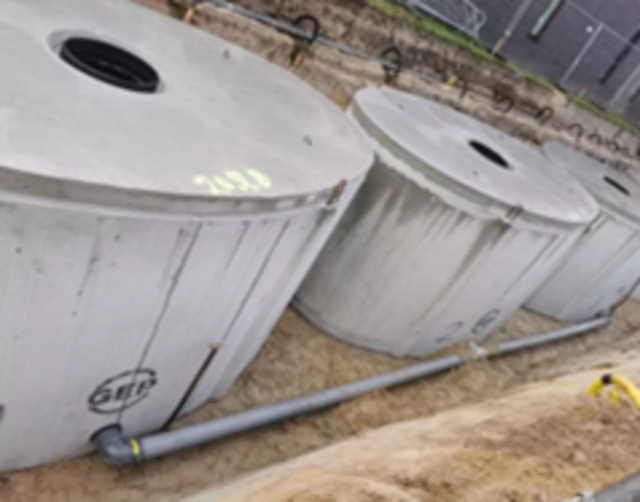
Choosing the right location
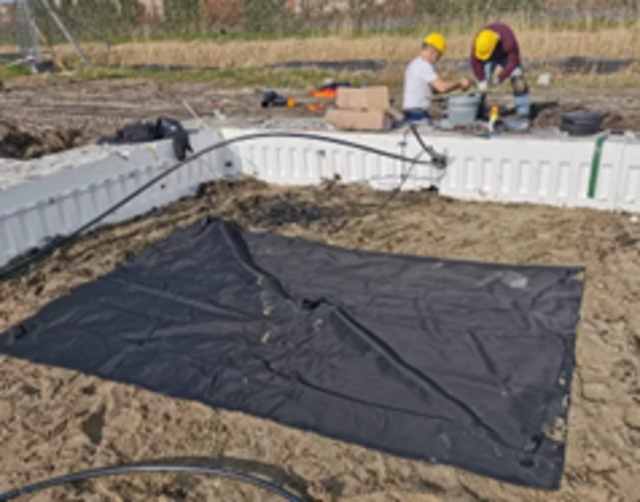
After a proper site assessment, the best fitting rainwater harvest tank is placed on a stable and level surface. If the tank is to be installed underground, a big enough hole must be dug in which the tank will be placed. Above-ground tanks should be secured to prevent movement.
Picking the right size
There are two main factors that decide how big your rainwater tank should be. The first one is the roof area that we’re working with. The bigger the roof, the more water it can collect and the bigger the tank can be. The second factor is how many people will make use of the collected rainwater. If the roof area is relatively big, yet only two people will make use of the rainwater, it’s unnecessary to invest in a big tank that will be full of redundant rainwater.
Installation steps
The installation process for rainwater tanks will vary based on the type of tank (plastic, concrete, or stainless steel) and the practices of the installation company. Above-ground plastic or stainless-steel tanks are typically easier and faster to install, often requiring only a level base. In contrast, underground concrete or plastic tanks involve excavation, structural support, and specific site preparations. Different companies may have unique techniques, tools, and safety protocols, influencing timelines, costs, and site impact. Choosing an experienced installer familiar with the specific tank type is important to ensure a smooth and efficient installation.
How do you manage the maintenance?
Maintaining your rainwater harvesting system is crucial to ensure the water remains clean and safe for use, preventing contamination from debris, bacteria, or algae growth. Regular maintenance also helps to avoid blockages and system failures, which could lead to costly repairs or reduced efficiency.
Maintenance tips for longevity
Rainwater tanks require minimal maintenance. For above ground tanks, check the tank’s seals, connections, and any external fittings for signs of wear or leaks. For underground tanks, inspect access points and lids to keep them secure. An annual professional inspection is recommended after the first few years of use to spot any issues early and maintain water quality.
How do you troubleshoot common issues?
As mentioned before, the most important thing when it comes to rainwater tanks is to make sure that the type of tank seamlessly fits your situation. This means it should be compatible with potential traffic and groundwater levels, for example. Besides that, it is also important to always make sure you purchase quality products that follow the norms set for rainwater systems. This way, you are guaranteed that it will work the way it is supposed to.




What are the regulations and legalities for rainwater harvest tanks?
Some regions offer subsidies or tax benefits for disconnecting rainwater or sustainable rainwater systems. It is definitely worth exploring whether financial support is available for your rainwater harvesting system.
Permits and restrictions
In the UK, regulations for rainwater harvesting tanks depend on the type and scale of the system, as well as the location. Underground tanks may need planning permission, particularly in conservation areas or listed properties. It’s best to consult the local council for the specific requirements, as they can vary by region.
Health and safety considerations
Tanks should be installed on a stable base to avoid tipping or collapsing. Underground tanks must be properly secured to prevent them from floating or shifting in areas with high groundwater levels. Access points, lids, and openings should be secure and childproof to prevent accidental falls or unauthorised access. The collected rainwater also must always stay separated from mains water.
Want to know more about the regulations and legalities?
Ask one of our experts! You’ll receive an answer within 24 hours.

GEP’s conclusion: Rainwater collection system
FAQ Rainwater harvest tank
A rainwater harvesting tank is a storage container specifically designed to capture and store rainwater collected from rooftops, often made of concrete or plastic. The stored water can be used for various purposes, including irrigation, household use, or as a backup water supply.
A tank used to collect rainwater is a specialised container that gathers and stores rainwater run-off, typically from roof surfaces, to be used for gardening, flushing toilets, laundry, or other non-potable purposes. It helps conserve mains water and reduces water bills.
The purpose of a rainwater tank is to capture and store rainwater for future use. It can reduce reliance on mains water, lower water bills, and provide an eco-friendly water source for irrigation and household applications.
Leave a Reply