

Rainwater collection system: How it works
From benefits to maintenance and legal considerations; everything you’d want to know about rainwater collection systems can be found on this page. If you still have questions after reading, feel free to contact us. We’ll be happy to assist you!
What is a rainwater collection system?
A rainwater collection system is a system designed to capture, store, and use rainwater for various purposes. It typically consists of several components: a rainwater collection surface, gutters, downspouts, leaf screens, first flush diverters, storage tanks, and a distribution system. If you want to use your collected rainwater for domestic purposes, the system would also include pumps and additional filters to further purify the water.
Rainwater collection systems are used for both potable and non-potable applications. Non-potable uses include garden irrigation, toilet flushing, and washing clothes. Potable systems require more thorough filtration and treatment of the rainwater and can supply drinking water. Both of these systems will lower your water bill, are environment friendly, and promote sustainability.
Questions about our rainwater collection systems?
Don’t hesitate to reach out. We’ll gladly answer all your questions!

Benefits of rainwater collection
By utilising rainwater, we reduce reliance on mains water, preserving valuable drinking water supplies. That not only reduces your water bill, but is also great for our planet.
Importance of filtering and treating collected rainwater
Filtering collected rainwater is crucial to ensure its safety and quality if you’re planning on using it for purposes other than garden irrigation. Untreated rainwater can contain contaminants like dirt, debris, and bacteria from the collection surface, which wouldn’t be a problem for flora, but could pose a risk to your health. That is why proper filtration is necessary. Filtration can remove large particles, fine sediments, and harmful pathogens, depending on which filters you implement. This makes the water safe for non-potable applications such as irrigation, toilet flushing, and laundry, and even for potable use if you use the right filter combination.
Environmental benefits
Using filtered rainwater for the garden, toilet flushing, and more, is a great way to cut down on our use of mains water. Besides that, rainwater catchment also helps to prevent flooding, because we decrease the amount of water entering the sewer system during heavy rainfall and capture it instead. Moreover, utilising rainwater costs less energy, seeing as the energy needed to transport and purify drinking water is way higher than when you filter rainwater in the building where it’s used. Furthermore, it also reduces our use of groundwater, and it safeguards ecosystems that rely on natural water supplies.
Water bill savings
Installing a rainwater filter system involves initial costs, including the purchase of the filter, the necessary materials, and the installation fees. These costs can vary depending on the system’s size and installation complexity. However, the investment pays off in the long run by significantly reducing your water bill. Using rainwater for just toilet flushing and your washing machine can reduce the demand for expensive drinking water by approximately 40% already.
Drinking water conservation
Rainwater collection systems conserve water by capturing and storing rainwater. This rainwater can then, after filtration, be used to replace drinking water wherever drinking water is used for non-potable applications, such as toilet flushing and laundry.
Want to know more about rainwater collection?
Send us your questions. We’ll get back to you within 24 hours.

Components of a rainwater collection system
A rainwater collection system typically consists of a collection surface, gutters, downspouts, leaf screens, first flush diverters, storage tanks, and a distribution system.
Rainwater collection surface
The rainwater collection surface, typically a roof, is where rainwater is initially captured. It’s essential that this surface is clean and made from non-toxic materials. The efficiency of rainwater collection and the size of the tank depend on the size and condition of the roof, with larger and smoother surfaces capturing more water, than small roofs with leaks.
Suitable roofs for rainwater collection:
Gutters and downspouts
Gutters and downspouts direct rainwater from the collection surface to the storage tank. They are vital components that make sure the water flows smoothly.
Leaf screens and first flush diverters
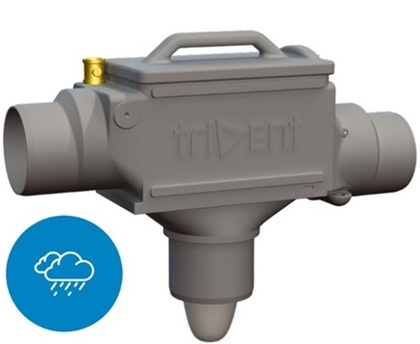
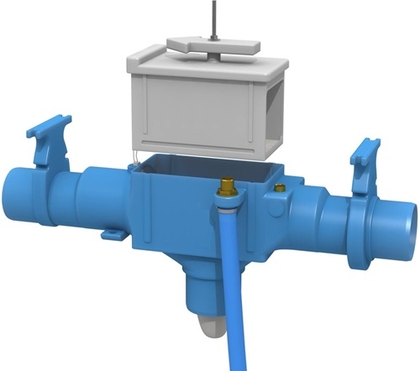
Leaf screens and first flush diverters improve the quality of the collected rainwater. Leaf screens prevent large debris from entering the system, while first flush diverters discard the initial run-off, which contains the most contaminants. This ensures that, with the work of additional filters, clean water enters the storage tank.
Watertight storage tanks
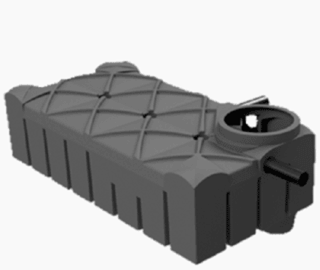
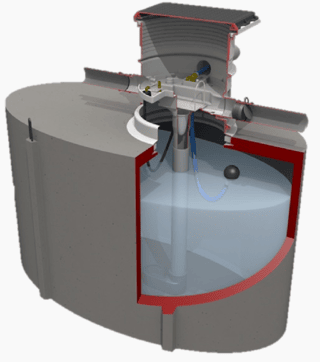
A storage tank holds the collected rainwater until it is needed for use. These tanks come in various sizes and materials, such as plastic and concrete, depending on the needed volume and the system’s requirements. It’s essential to choose a tank with suitable capacity and to ensure it is sealed to prevent contamination and evaporation of the rainwater.

Rainwater distribution system
The distribution system delivers the stored rainwater to its end uses, such as irrigation, toilet flushing, or laundry. It includes pumps, pipes, and control mechanisms to manage the water flow and pressure. A well-designed distribution system ensures efficient water use and minimises waste.
Design considerations for rainwater collection systems
Choosing the right design for your rainwater collection system can be difficult. Here are a few things to consider before you make any purchases. If you’re still unsure after reading, feel free to ask one of our experts for advice.
Calculating roof area and rainfall collection potential
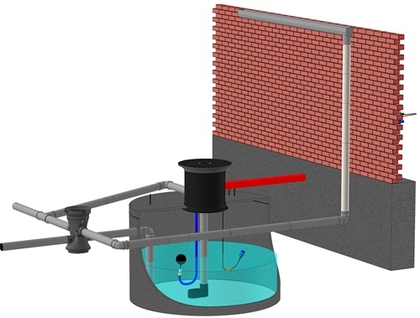
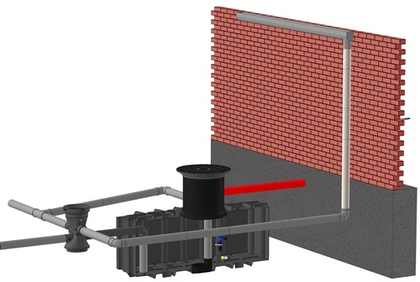
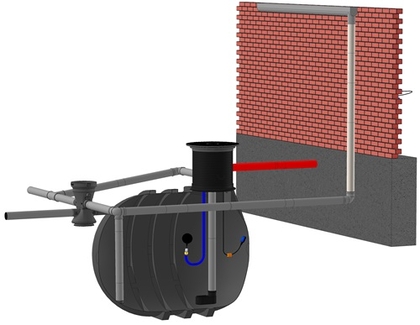
Calculating your roof area and rainfall collection potential is important for constructing an effective rainwater harvesting system. The roof area determines the volume of rainwater that can be collected, while the local rainfall data helps estimate the total annual water yield. You only need to know your roof area, and with that information GEP will calculate the right tank volume for you. This means that the tank can hold sufficient water to meet your needs without overflows or shortages. Ultimately, this contributes to better water management and conservation efforts.
System sizing based on water demands
What you want to do with your collected rainwater also determines the size of your rainwater collection system. If you only seek to water your garden, you’ll need fewer filters than when you also want to flush your toilets and do your laundry with the rainwater. When you also want to shower and do your dishes with rainwater, you’ll need even more filters. By knowing what you want to use the collected rainwater for, you can make sure that you don’t over-invest in unnecessary filters.
Do you have questions?
Ask one of our experts! You’ll receive an answer within 24 hours.
Uses of collected rainwater
Irrigation use
Collected rainwater is ideal for irrigation due to its natural composition. Unlike tap water, rainwater is free of chlorine and other chemicals that can harm plants. Besides that, rainwater is often slightly acidic, which is beneficial for many plants. Using rainwater for irrigation reduces dependence on municipal water supplies, lowers your water bills and lessens your water waste.
Household use
Filtered rainwater can be safely used for toilet flushing, laundry, and cleaning. In fact, filtered rainwater contains less limescale than drinking water, making it the better option of the two for these applications. Additionally, filtered rainwater can be used to cool or heat a home or office. So there are plenty of ways to reduce your dependence on mains water and save on your water bill.
Installation process
It is important to note that GEP is solely the manufacturer and that we do not install the rainwater collection systems ourselves. The precise way of installing the systems will depend on the specific installer, but the basic steps, which we explain below, will generally be the same.
Site assessment
The installation process of a rainwater collection system begins with a thorough site assessment. This involves evaluating the roof area to determine the potential rainwater collection volume, examining the layout for optimal tank placement, and identifying suitable locations for gutters and downspouts if those aren’t already installed. Additionally, it is essential to consider soil stability and drainage around the proposed tank site. Site assessments ensure that the system design meets the site-specific conditions, so that the entire rainwater collection system can run smoothly.
Tank placement and sizing
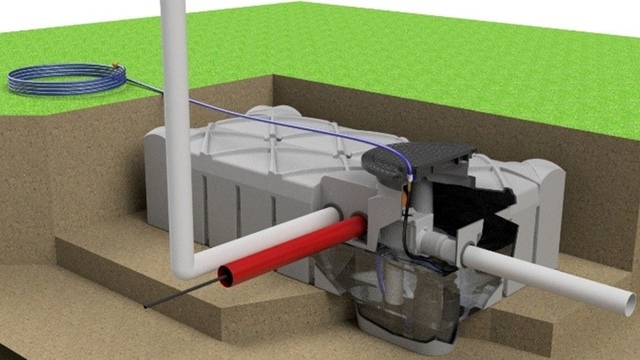
After the site assessment, the storage tank is placed on a stable and level surface. If the tank is installed underground, a big enough hole has to be dug in which the tank will be placed. Above-ground tanks should be secured to prevent movement.

Filter system installation
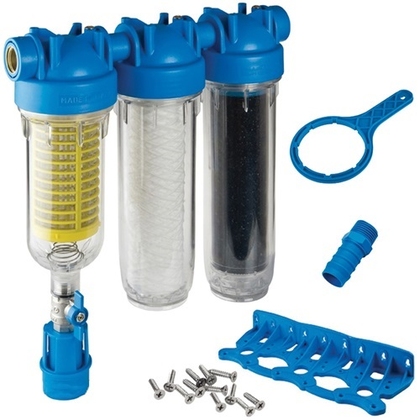
The final step is installing the filter system. This includes setting up leaf screens and first flush diverters at the gutter level to capture large debris and initial run-off. And fine filters, such as sediment and carbon filters, to remove smaller particles and impurities, which are usually positioned before the water enters the storage tank. Additionally, UV filters can be added for further purification if the water is intended for potable use. How many filters you will need depends on what you want to use the filter water for.
Questions about the installation of a rainwater collection system?
Please send us all your questions. We’ll get back to you within 24 hours.
Maintenance of a rainwater collection system
Maintaining your rainwater collection system is crucial to ensure the water remains clean and safe for use, preventing contamination from debris, bacteria, or algae growth. Regular maintenance also helps to avoid blockages and system failures, which could lead to costly repairs or reduced efficiency.
Cleaning gutters and filters
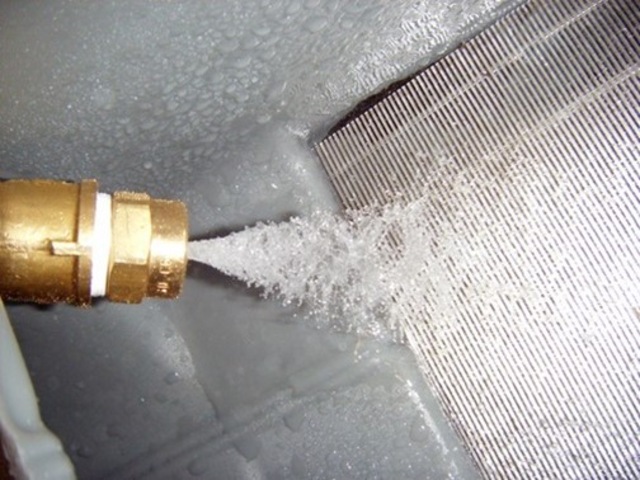
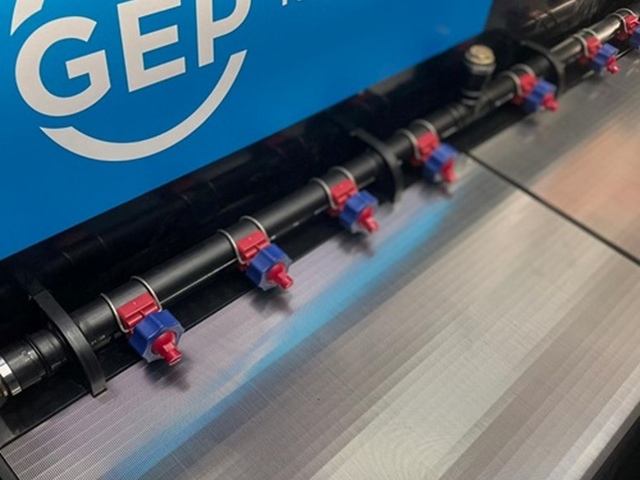
During maintenance, the fine filters need to be replaced and the filter housing cleaned, as dirt often accumulates at the bottom. This cleaning process is fairly quick. After unscrewing the housing to replace the filters, rinse the housings with water and use a soft brush to remove stubborn dirt. Additionally, check for accumulations of leaves or other debris in the coarse filters and gutters. If found, this can often be easily removed by hand. If some dirt remains, you can get rid of it with a brush or a strong jet of water. For the filters that are harder to reach, you can use a mild cleaning agent mixed with water.
Inspecting tanks for leaks
To ensure that there are no leaks in your rainwater collection system, it is important to check the seals around the filters and pipes during maintenance, to check if everything is still watertight. Additionally, the tank should be inspected to make sure that there are no leaks or beginning cracks that could potentially lead to future leaks.
Water quality testing
Water quality testing is crucial to ensure the safety and purity of your collected rainwater. It identifies contaminants such as bacteria, heavy metals, and chemicals to see if the water meets health and safety standards. The testing is done by collecting water samples and analysing them in a lab or with home testing kits.
Regulations and legal considerations
Some regions offer subsidies or tax benefits for disconnecting rainwater or sustainable rainwater systems. It is definitely worth exploring whether financial support is available for your rainwater collection system.
Permit requirements
Permits may be needed for the installation of a rainwater collection system, depending on the location and size of the system. Homeowners should find out from the local government whether a permit is required for their particular configuration. This ensures the system complies with building codes and zoning regulations, which can vary significantly between regions. Obtaining the right permits can prevent legal issues and ensure the installation is safe and effective.
Health and safety guidelines
Rain water is clean when it falls from the sky, but as soon as it hits a surface it gets contaminated. To avoid health problems, the collected rainwater has to go through a filtration process before it is used. There are established health and safety guidelines, like the EN16941, to ensure that the filtration process provides water that conforms to the norms. These guidelines demand the use of proper filtration and disinfection methods, particularly if the water will be used for potable purposes. Adhering to these guidelines protects users from waterborne illnesses and other health risks.




Local municipality regulations
Local municipality regulations can influence the design and operation of rainwater collection systems. Some governments may have specific requirements for system components, such as backflow prevention devices or overflow management. Others might offer incentives or funds for installing rainwater harvesting systems. It’s important to consult your local government to make sure that you comply with their regulations and make sure you don’t miss out on potential subsidies.
GEP’s conclusion: Rainwater collection system
Questions about rainwater collection systems?
Send us your questions. We’ll get back to you within 24 hours.

FAQ Rainwater collection system
Collecting rainwater helps conserve potable water and decrease the strain on local water supplies. It’s a sustainable practice that provides a free source of water for irrigation, toilet flushing, and other non-potable uses. Furthermore, using rainwater can reduce stormwater run-off, which prevents flooding. On top of that, it saves you money by reducing the water bills significantly.
Suitable containers for a rainwater collection system are tanks made from materials like concrete or polyethylene. These tanks prevent algae growth and are equipped with secure lids to keep out debris and pests.
We recommend cleaning your rainwater collection system at least twice a year, more when there is long-lasting heavy rainfall. This includes inspecting and cleaning gutters and filters, as well as checking the storage tank for debris and sediment build-up. Regular maintenance ensures the system operates efficiently and provides high-quality water. Some filters have self-cleaning features or accessories that would make annual maintenance possible.