

Can you drink rainwater in the UK?
Some people take rainwater use even one step further, by not only switching drinking water with rainwater for non-potable uses, but for potable uses as well. However, if you plan on doing this, there are a few very important criteria you must meet. This way, you’d be sure that you can consume the filtered rainwater without risk for your health.
Is it legal to drink rainwater in the UK?
In the UK, government regulations on drinking rainwater are designed to ensure public health and safety.
Government regulations
The Water Supply (Water Quality) Regulations 2016 set strict standards for potable water. Rainwater used for drinking must be treated and tested to meet these standards. Additionally, the European norm, EN1694, outlines the requirements for installing rainwater harvesting systems, emphasizing the need for proper filtration, disinfection, and separation from the mains water supply to prevent contamination.
Can you drink rainwater uk?
Send us your questions. We’ll get back to you within 24 hours.

Is rainwater safe to drink?
The rainwater that falls from the sky is essentially clean, but drinking it without filtering first does pose a threat to your health. This is because it carries various dirt and contaminants from your roof and gutter into your rainwater barrel or tank. To make rainwater drinkable without risking your health, a number of filtration steps must first be taken.
How to ensure rainwater is safe for drinking?
To ensure that rainwater is safe for drinking, you need to have an advanced rainwater filtration system. These systems consist of a coarse filter, a sediment filter, fine filters, a coal filter, a UV-filter, and a reverse osmosis treatment. Besides that, you will need to regularly test the water quality to make sure that it is safe for consumption.
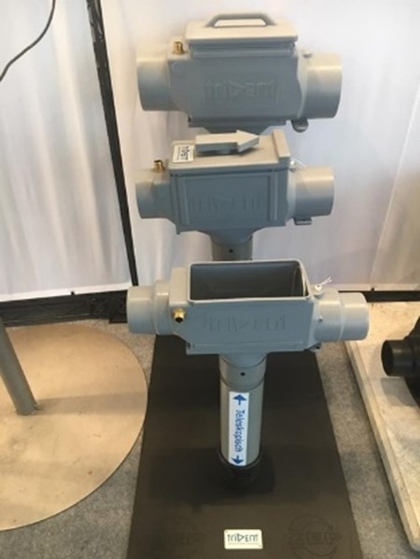
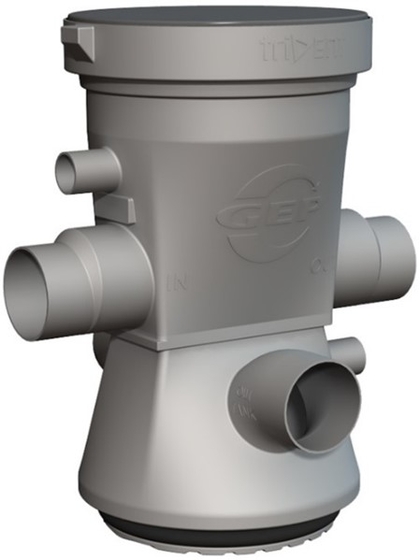
Factors affecting rainwater quality
Several factors can affect the quality of rainwater. An example is the material of the surface on which rainwater is collected. Some roofs, like thatched or green roofs, will lower the water quality.
Suitable roofs for rainwater collection:
Less suitable roofs for rainwater collection:
The area in which you want the rainwater filtration system also matters. If the location is near a factory or road, the pollution can mix with the rain, resulting in contaminated water. The amount of trees surrounding the house or building will impact the amount of leaves and twigs that the coarse filter has to filter out. Therefore, having a lot of trees in the area could lead to higher maintenance of the coarse filter.
Question about the reliability of our rainwater systems?
Don’t hesitate to reach out. We’ll gladly answer all your questions!

Benefits of rainwater harvesting
By utilising rainwater, we reduce reliance on mains water, preserving valuable drinking water supplies. That not only reduces your water bill, but is also great for our planet.
Environmental benefits
Utilising collected rainwater makes the earth a more sustainable place. Reducing the amount of drinking water used for non-potable purposes is crucial, especially now that the availability of drinking water is decreasing as a result of climate change. Furthermore, the energy required and CO2 emissions generated during the production of drinking water will significantly lower when rainwater replaces drinking water for non-potable purposes. Consequently, using rainwater helps create a more reliable and sustainable future.
Cost savings
There are initial expenses for installing a rainwater filter system, including paying for the filter, the required supplies, and installation charges. In the case of filtering rainwater to potable water, these expenses will be at the higher end, since you’ll need a lot of high-end filters. However, the long-term savings on your water cost makes the investment worthwhile, as you can now save on tons of mains water.
Water conservation
By capturing and storing rainwater for later use, you contribute to water conservation. Drinking water can be replaced by this collected rainwater after proper filtration, which lessens the demand for mains water. The water that is used to produce mains water is extracted from deep layers in the earth. The amounts of water that is collected exhausts the source, leading to a potential mains water shortage or catastrophic consequences for pushing natures limit. By switching to rainwater for non-potable, and potable if filtered correctly, purposes we can minimise these practices and contribute to sustainable water use.
Methods to purify rainwater for drinking
Purifying rainwater is necessary to ensure that it is safe for human consumption and other uses. It is important to keep testing the water quality frequently if you are planning to use your collected rainwater for consumption, to avoid health risks.
Filtering and purifying rainwater
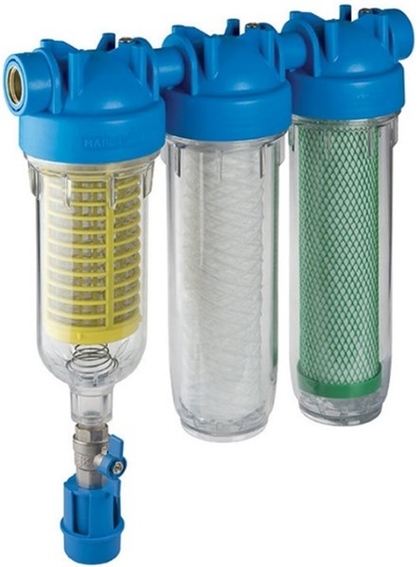
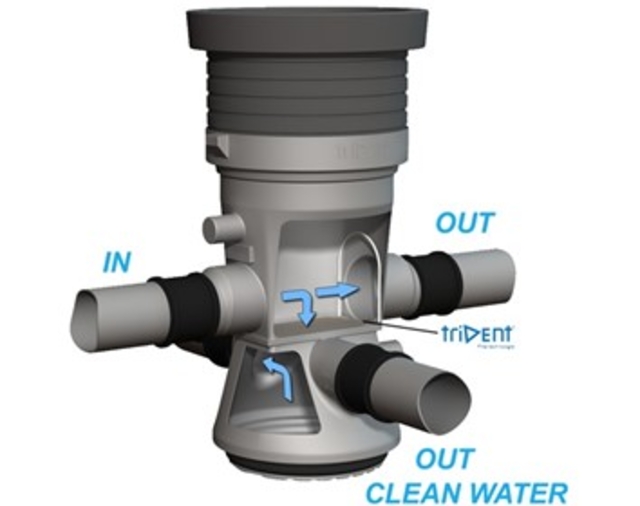
Rainwater filters enhance the quality of collected water by holding back dirt. Various types of filters are necessary to clean the water for home and garden use. Coarse filters capture larger debris like leaves and twigs, while finer filters remove smaller particles such as sand and dust that slip through the coarse filters. Using a combination of these filters ensures the water is purified enough for household and gardening purposes.
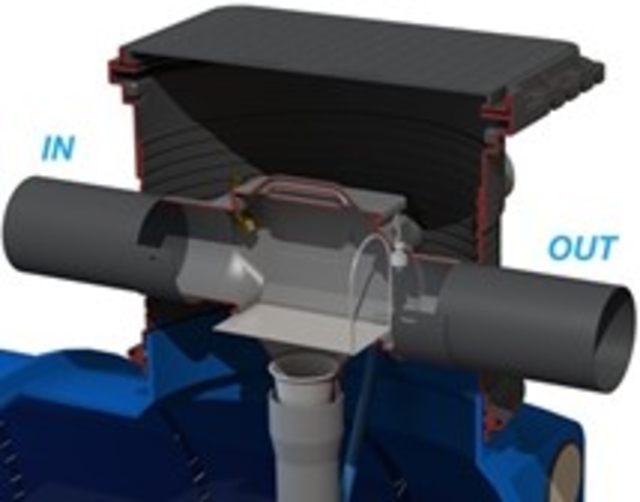
Testing rainwater quality
The filtered rainwater must be tested to make sure that it meets the standards of the Water Supply Regulations 2016, if you want to use is for potable purposes. You can test your rainwater quality by taking a sample of the water and sending it to a lab for examination. If the lab declares that the water quality is sufficient, you can safely drink the water, and if it is not up to standards you’ll have to add or replace filters until the quality is high enough.
Best practices for storing rainwater
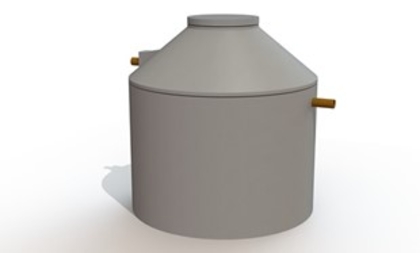
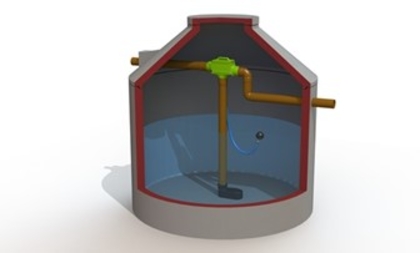
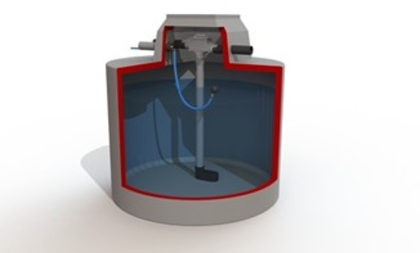
You need to ensure that your rainwater storage tank is 100% watertight and leak-free for maintaining the rainwater quality after filtration. After the installation, you’ll need to flush out the tank to remove any dirt or debris inside. This initial cleaning helps ensure that stored rainwater remains clean and safe for use.
Looking for advice from an expert?
Get in contact with us! We’ll answer all your questions.
GEP’s conclusion: Can you drink rainwater UK?
FAQ Can you drink rainwater UK
Yes, it is legal to collect and drink rainwater in the UK. However, the water must meet certain quality standards if it is intended for human consumption. Rainwater harvesting systems should comply with the Water Supply (Water Quality) Regulations 2016 and the Building Regulations 2010 (Part G) to ensure safety and quality.
Drinking untreated rainwater can pose several health risks. This rainwater may contain harmful bacteria, viruses, parasites, and pollutants like pesticides and heavy metals. These contaminants can lead to illnesses and infection. This is why there are strict regulations for the treatment of rainwater.
You require an advanced rainwater filtration system to guarantee that your collected rainwater is safe to drink. This system consists of a coarse filter, a sediment filter, fine filters, a coal filter, a UV-filter, and a reverse osmosis system. In addition, to ensure that the water is safe to drink, you must test it to make sure it meets the strict water quality standards.
You should test the quality of your collected rainwater at least three times in a year. Regular testing helps ensure that the water remains safe for use, especially if it’s intended for drinking. Additionally, testing should be conducted after any maintenance work or when you see any visual changes in the rainwater.
Using rainwater for non-potable purposes, such as irrigation, toilet flushing, and washing clothes, helps conserve water by reducing the demand on the mains water supply. This is particularly important in times of water scarcity and can lead to significant cost savings on water bills, as rainwater is free. Additionally, using rainwater decreases the energy consumption and carbon emissions associated with the treatment and distribution of drinking water. It also helps minimise floodings by reducing run-off during heavy rainfalls.
Leave a Reply