

Rainwater filter system: A sustainable solution for clean water
Before rainwater can be used, it must first pass through at least one filter, sometimes more. This clears the water of any debris it may have picked up from surfaces like the roof. On this page, you’ll find everything you need to know about filtration systems.
What is a rainwater filter system?
A rainwater filter system is a system designed to collect, filter, and store rainwater for various uses, such as gardening, toilet flushing, and even drinking if properly treated. This typically includes components like a catchment area (usually a roof), gutters, downpipe, a pre-filter to remove large debris, and a series of finer filters to eliminate smaller particles and contaminants. Advanced systems may incorporate carbon filters to remove chemicals and UV filters to disinfect the water by removing unpleasant odours and killing bacteria and viruses. After filtration, the rainwater is stored in a tank for later use. By purifying rainwater, these systems provide an eco-friendly and cost-effective alternative to using mains water, reducing water bills and conserving natural resources.
Questions about rainwater filter systems?
Ask one of our experts! You’ll receive an answer within 24 hours.

Benefits of a rainwater filter system
Rainwater filters make it possible to replace drinking water with rainwater for non-potable uses. By filtering out the contaminants, rainwater filters contribute to higher water quality, cost savings, a better environment, and health.
Contribute to a more sustainable world
Using filtered rainwater supports a more sustainable world by lessening the demand for precious drinking water, particularly for uses such as garden irrigation and toilet flushing. This is crucial as climate change makes drinking water increasingly scarce. Additionally, utilising rainwater for non-potable purposes lowers the energy consumption and CO₂ emissions associated with producing drinking water. This way, rainwater use promotes a responsible and sustainable future.
Lower your water bill
Using rainwater filters to get clean water for domestic purposes saves you money in the long run. This filtered rainwater is great for garden irrigation, toilet flushing, laundry, and other uses. By switching drinking water with rainwater for those applications, you substantially lower your dependency on the mains water supply, which in turn reduces your water expenses, since rainwater falls from the sky cost-free.
Health benefits
Filtering rainwater before using it domestically offers multiple health advantages. While rainwater is initially pure, it becomes contaminated when it comes into contact with surfaces such as roofs. These contaminations can lead to various health risks when it is not treated properly. Therefore, it is crucial to filter rainwater in advance. This process removes harmful contaminants like bacteria, viruses, and parasites and purifies the rainwater. Besides that, it also eliminates pollutants such as heavy metals and chemicals, which helps to reduce the risk of long-term health issues.
Water quality improvement
Rainwater filters enhance the quality of collected water by capturing impurities. To make the water suitable for home and garden use, different types of filters are required for optimal filtration. Coarse filters, for instance, catch larger debris like leaves and twigs, while finer filters trap smaller particles such as sand and dust that slip through the coarse filters. So, by employing the correct combination of rainwater filters, you can significantly improve the water quality, making sure it is clean enough for domestic and garden use.
Want to know more about rainwater filtration systems?
Don’t hesitate to reach out. We’ll gladly answer all your questions!

How does a rainwater filter system work?
We understand that it could be a bit overwhelming choosing the right rainwater filter(s) that can seamlessly integrate into your rainwater system. That is why we put together a list with things you should consider before buying the filters. Are you still not sure? Not a problem! Simply contact us and let us know what you’re struggling with, one of our experts will happily help you.
Installation requirements
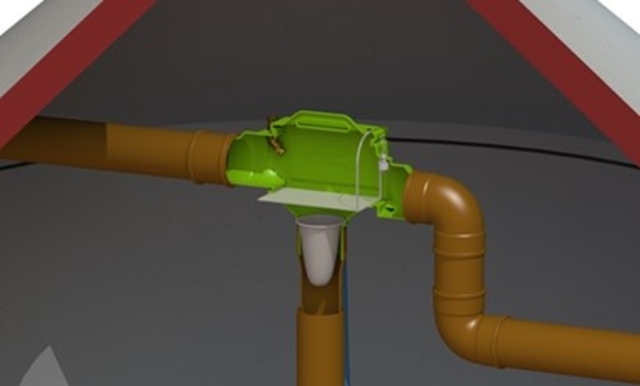
Installing a rainwater filter system requires planning and proper equipment. First, you need an appropriate catchment area, this is usually your roof, and ensure it is as clean as it can get. Install gutters and downpipes to direct the rainwater into a storage tank. Place a pre-filter to remove large debris, like leaves and twigs, before the rainwater enters the tank. After that, you will need finer filters to eliminate smaller particles, and consider incorporating a carbon filter and UV filter for microorganisms and chemical removal. Ensure the storage tank fits your situation, is durable, and well-sealed to prevent contamination. Lastly, ensure all components are properly connected and regularly maintained to keep the system functioning efficiently.
Maintenance needs
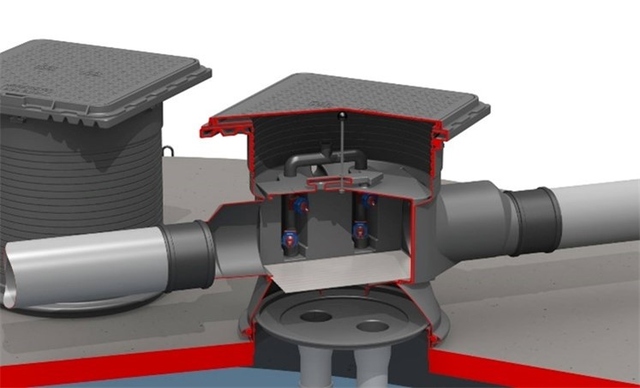
Regular maintenance is essential for non-self-cleaning rainwater filters to prevent clogging in your rainwater harvesting system. During the maintenance, you look for accumulations of leaves or other debris in the coarse filter. If any build-up of dirt is found, you can usually remove this by hand without a problem. Stubborn dirt can be tackled with a brush or a strong water jet. Some filters may be more challenging to access, those can be cleaned with the use of a mild cleaning solution mixed with water.
It’s also important to periodically check the seals around the filters and pipes to prevent leaks. Opting for additional features like a sprinkler set or an automatic time-controlled filter cleaner with your rainwater filter can reduce the frequency of maintenance required.


Compatibility with existing rainwater harvesting systems
If you already have a rainwater harvesting system, and you’re looking to add to it or replace parts, you’d have to make sure that the new parts are compatible with your existing rainwater harvesting system. This would reduce the installation costs and avoids potential issues.
Looking for guidance from an expert?
Don’t hesitate to reach out. We’ll gladly answer all your questions!

Types of rainwater filter systems
To properly filter your collected rainwater, you’ll need multiple rainwater filters. What types exactly will depend on the location of the rainwater system and the purpose of the filtered rainwater.
Sediment filters
The purpose of a sediment filter is to rid rainfall of bigger particles such as, sand, grid, and junk. It typically works by letting rainwater flow through a fine mesh that collects these bits. Sediment filters are commonly installed as part of the rainwater harvesting system at the point of entry of the storage tank. These filters effectively stop the accumulation of silt, which can impede water quality and clog pipes and filters. Sediment filters are essential for maintaining the longevity and cleanliness of the entire rainwater system.
Carbon filters
Carbon filters are used to improve the taste and remove chemicals and unpleasant odours from the rainwater. They work through adsorption, a process where pollutants are drawn to and trapped within the porous carbon surface. Normally, carbon filters are placed before the rainwater reaches the storage tank and after sediment filtering. The carbon media has to be replaced periodically to ensure continual performance. Carbon filters are crucial when it comes to improving the overall quality of rainwater for both residential and commercial uses.


Reverse osmosis systems
Reverse osmosis (RO) systems use pressure to force rainwater through a semi-permeable membrane, removing dissolved minerals. Their efficiency in generating purified water makes it useable for cooking and drinking. RO systems are typically installed as a point-of-use filtration system under the kitchen sink or at the point of water consumption. Regular maintenance of these filters in necessary to ensure optimal performance and water quality, which includes sanitising the system and replacing the filters. RO systems are great for homes and businesses looking to obtain high-quality drinking water from rainwater sources.
Vortex filters
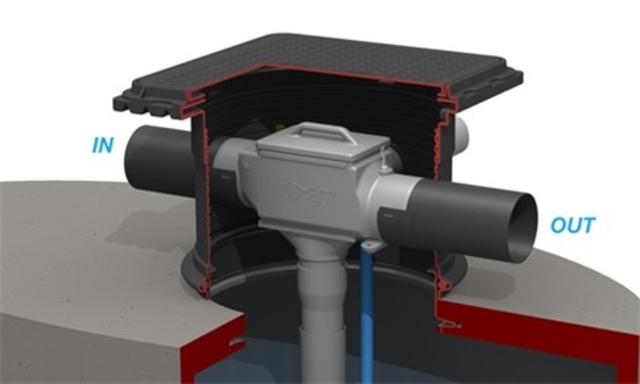
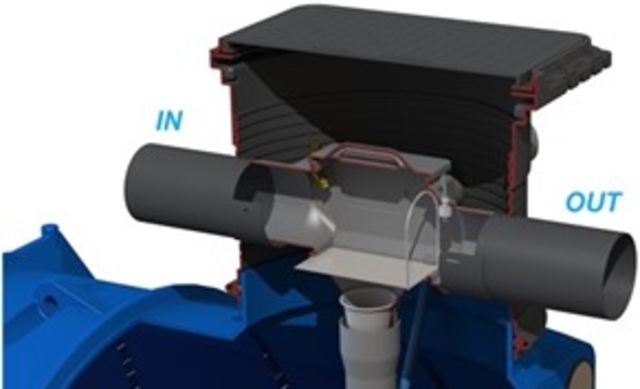
Vortex filters utilise centrifugal force to separate heavier particles from rainwater, directing them to settle at the bottom of the filter chamber. After that, the cleaner water flows to the storage tank or the other filtration steps. Leaves and twigs can be easily removed by these filters. These filters are usually installed in the rainwater downpipe or as part of the system inlet before storage. Vortex filters require minimal maintenance, only requiring you to periodically clean the sediment collection chamber.
Linear filters
Finer particles and pollutants that managed to slip through earlier filtration stages are captured by linear filters. These filters work by using a series of fine mesh screens that trap particles as water flows through. In order to ensure that rainwater is thoroughly purified before being stored or distributed, linear filters are installed following the sediment filter and vortex filter. To avoid clogging and preserve filtration efficiency, you have to periodically maintain the filter.
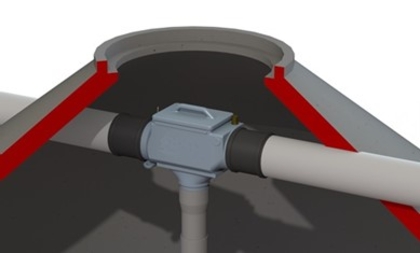
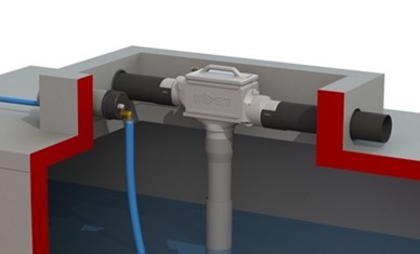
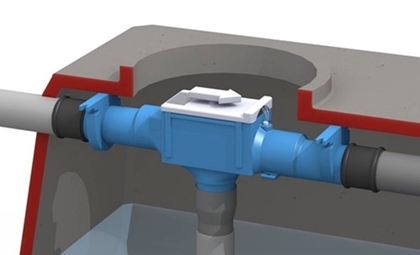
Downpipe filters
The simplest way to filter rainwater as it passes through a vertical downpipe is by using downpipe filters, especially when you have an aboveground tank. There are multiple filter types that could be used as downpipe filter, such as sediment filters, carbon filters, and more.
Wondering what rainwater filters you will need?
Ask one of our experts! You’ll receive an answer within 24 hours.
Installation guide for rainwater filter systems
It is important to note that GEP is only a manufacturer and that we do not install the rainwater collection systems ourselves. The precise way of installing the systems will depend on the specific installer, but the basic steps, which we explain below, will generally be the same.
General installation instructions
The exact instructions of how to install rainwater filters depend on the filter type and the location. Generally, you’ll need to measure the pipe in which you want to place the filter and then saw through it, so that the filter can be placed in between. To secure the system, you will require mounting components such as brackets, clamps, and screws. Drill holes for the mounting screws, then seal the joints with rubber gaskets or silicone sealant to create a watertight seal. As a precaution, it’s crucial to wear goggles and gloves during installation.
Common mistakes to avoid
There is a possibility that installing a rainwater filter system goes wrong, although it is rare, similarly to gas and electricity. To prevent this, strict regulations, outlined in the EN16941, must be followed. Purchasing non-compliant systems is the most frequent error made, by customers who were not informed well. To ensure compliance, go for KIWA-certified filters, these are guaranteed to be water-technically safe. GEP places a high priority on safety, by providing user education sessions, KIWA certification for devices, and training for certified installers. Our experts can help if you have any queries or concerns regarding the safety of our rainwater systems.



Accessories to fully customize your rainwater filter system
GEP offers additional accessories to fully customize your rainwater filter system to your specific needs.
Filter collector kits
If you’re looking for a broad set of tools and accessories for optimal water catchment and filtration, you should consider the filter collection kits. These kits typically include various filters, connectors, and cleaning tools to ensure efficient removal of debris and contaminants. Besides that, they simplify the installation process and improve the overall effectiveness of the rainwater harvesting system.
Calmed inlet components
Calmed inlet components are designed to prevent sediment disturbance at the bottom of the tank by reducing turbulence when rainwater enters the storage tank. They do this by gently directing incoming water towards the tank’s base, helping sedimentation and maintaining water clarity. Calmed inlets also help aerate the water. This reduces anaerobic conditions and promotes a healthier storage environment.
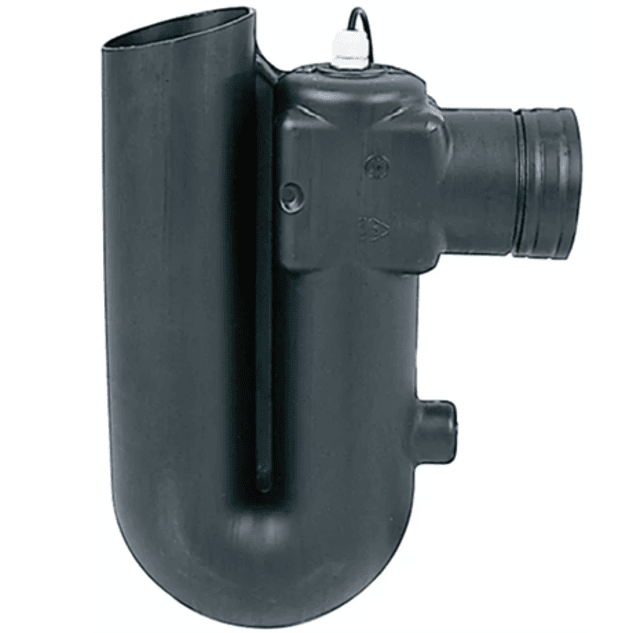
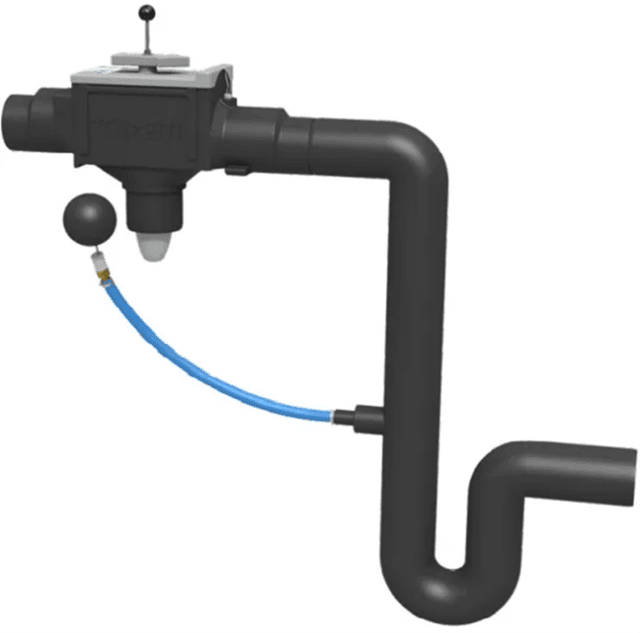
Overflow siphons
Overflow siphons are a must-have for rainwater systems as they manage excess rainwater in storage tanks, preventing overflow and potential damage. These devices automatically siphon off spare water when the tank reaches its capacity, directing it safely away from the system. Moreover, overflow siphons help remove floating debris and dirt from the water surface, improving overall water quality. Installing an overflow siphon ensures that your rainwater harvesting system operates effectively and safely, even during heavy rainfall, protecting both the system and the surrounding environment from damage.
Wondering what accessories fit your system best?
Send us your questions. We’ll get back to you within 24 hours.
Future trends in rainwater filter systems
Rainwater filtration systems are incorporating more and more smart filter technology. This not only enhances the efficiency and longevity of the systems, but also offer seamless integration with IoT devices. These innovations pave the way for a more sustainable and connected future.
Smart filter systems
Smart filter technology is becoming more and more important in rainwater filter systems. These innovative filters have sensors and microprocessors that allow you to continuously monitor the quality of the water and automatically modify the filtration process to guarantee peak performance.
Integration with IoT technology
With GEP’s IRM 9 it is possible to monitor rainwater filtration systems that are enabled by IoT via your smartphone or other digital interfaces. This connectivity makes it possible to gather and analyse data in real-time, which makes predictive maintenance possible. For example, customers can get real-time warnings concerning changes in water quality, filter maintenance requirements, and system issues.
GEP’s conclusion: Rainwater filter system
Want to get your own rainwater filter system?
Get in touch. Our specialists will help you along the way.

FAQ Rainwater filter system
Rainwater filters can be categorised into coarse filters, fine filters, and filters for extra high water quality such as carbon and UV filters. Coarse filters remove large debris like leaves, twigs, and dirt. After the coarse filters, rainwater flows through the fine filters. These capture smaller particles such as sand, dust, and other fine sediments. Carbon filters eliminate chemical contaminants, unpleasant odours, and they improve taste. UV filters use ultraviolet light to disinfect water by destroying bacteria, viruses, and other pathogens.
Yes, there are legal guidelines and regulations in the UK regarding the use of rainwater filter systems. These systems are primarily intended for non-potable uses such as irrigation, toilet flushing, and laundry. The Water Regulations Advisory Scheme (WRAS) ensures that all rainwater harvesting system comply with water safety standards to prevent contamination of the mains water supply. The UK Building Regulations also outline specific requirements for installing rainwater systems. While rainwater can be used for potable purposes with appropriate filtration and treatment, it must always meet strict drinking water standards set by the Drinking Water Inspectorate (DWI).
When using rainwater for non-portable purposes, we can save tons of drinking water. This reduced reliance on the mains water supply will lead to lower water bills. Besides that, it provides a sustainable water source for gardening, toilet flushing, laundry, and more. Since rainwater doesn’t contain any minerals, it is even better for your clothes than drinking water.
The frequency of cleaning your rainwater filter system mainly depends on the type of filters used. Generally, sediment and coarse filters should be inspected and cleaned every few months to remove accumulated debris. Whereas finer filters and carbon filters typically require less frequent maintenance, typically every 6–12 months, depending on usage and water quality. It is advised to regularly check and maintain seals and connections of the system to prevent leaks. Systems with self-cleaning features or automatic filter cleaners need less frequent manual maintenance.
Leave a Reply