

What is a rainwater harvesting system, and how does it work?
Interested in getting a rainwater harvesting system? You’ve come to the right place! Here, we’ll explain everything you need to know about rainwater harvesting systems. Still have questions after reading? Simply contact us, and we’ll do our best to answer them all!
What is a rainwater harvesting system?
A rainwater harvesting system collects and stores rainwater from surfaces like rooftops for later use. It typically includes gutters, a storage tank, and a filtration system to make the water suitable for applications like irrigation or flushing toilets. This helps reduce water bills and is an environmentally friendly way to manage water resources.
What is the process followed in a rainwater harvesting system?
A rainwater harvesting system starts with a collection area, which in most cases is the roof. The rainwater goes from the roof down to the gutter, which guides the water into the rainwater tank. Just before the rainwater enters the rainwater tank, it passes through a rainwater filter. This ensures that the stored rainwater is free from contaminants and ready for use. The filtered rainwater gets transported through the use of pumps, so that it arrives at the right point of use. This is the simplified process followed in a typical rainwater system.
What are the uses of a rainwater harvesting system?
Utilizing rainwater for outdoor purposes
The natural composition of rainwater makes it great water for irrigation and watering your garden. Rainwater is often slightly acidic, which is beneficial for many plants. Besides that, rainwater is free of chlorine and other chemicals that can harm plants, unlike tap water. Using rainwater for irrigation or to water your garden reduces dependence on the mains water supply, lowers your water bills, and lessens your water waste.
Uses of rainwater for indoor purposes
Filtered rainwater can be safely used for toilet flushing, laundry, and cleaning. In fact, filtered rainwater contains less limescale than drinking water, making it even better than tap water for these applications. Filtered rainwater can also be used to cool or heat a home or office. As you can see, there are many ways to reduce your dependence on mains water and save on your water bill.
Are you using rainwater to its full potential?
Get in contact with us! We’ll answer all your questions.

Why should you install a rainwater harvesting system?
Collecting and filtering rainwater makes it possible to replace drinking water with rainwater for non-potable uses. This has many benefits, both economical and environmental.
Gain environmental benefits
The demand for valuable drinking water gets reduced significantly by using rainwater for applications such as garden irrigation and toilet flushing. It is incredibly important to use less drinking water, especially now that drinking water is becoming less and less easily available due to climate change. In addition, using rainwater for non-potable applications reduces the energy consumption and CO2 emissions that are created during the production of drinking water. So, rainwater use contributes to a responsible and more sustainable future.
Achieve economic benefits
Replacing drinking water with filtered rainwater, where possible, has great economic benefits. This filtered rainwater can be used for garden watering, toilet flushing, and laundry, but also for car wash streets, irrigation, and more. By switching mains water with rainwater for those applications, we can substantially lower our dependency on the mains water supply, which in turn reduces water expenses, because, unlike tap water, rainwater is cost-free.
Improve cost-effectiveness
Rainwater harvesting is certainly cost-effective in the long run. While the initial setup costs for a rainwater collection system can vary depending on size and complexity, these costs are often offset over time through reduced water bills and low maintenance expenses. Simple above-ground tanks are relatively inexpensive, while more complex underground systems can be more costly, but offer higher capacity and durability. The financial benefits, coupled with subsidies or incentives available in some regions, make rainwater harvesting a financially worthwhile option for households and businesses.
Contribute to water conservation
Rainwater harvesting significantly contributes to water conservation by capturing and storing rainwater for later use. Utilising rainwater for irrigation, laundry, toilet flushing, and other non-potable uses, will conserve significant amounts of treated water, preserving it for essential uses.
Prevent soil erosion
During heavy rainfall, excessive run-off can strip away the topsoil. This spoil erosion leads to the loss of nutrients essential for healthy plant growth. Rainwater harvesting helps to prevent soil erosion by capturing and redirecting run-off that would otherwise flow uncontrollably over land surfaces. This reduces the velocity and volume of run-off, protecting the soil and maintaining its fertility.
Promote self-sustainability
Installing a rainwater harvesting system helps you become more self-sufficient by giving you your own reliable water supply for different uses. This means you don’t have to rely as much on mains water and have more control over your water use, especially during water shortages. You can use rainwater for things like doing laundry or watering the garden, so you can continue these activities even when mains water is limited. It’s also a good way to take care of the environment and live more sustainably by using resources wisely and reducing your environmental impact.
Different types of rainwater harvesting systems
Rainwater harvesting systems can be categorised into direct-pumped systems, indirect systems, and combined systems.
Direct-pumped systems
Direct-pumped systems use a pump to transport collected rainwater directly to the point of use, such as toilets or irrigation systems. The pump is typically installed inside the storage tank or in a separate pump chamber. There are two types of direct-pumped systems: submersible and suction pumps. Submersible pumps are placed within the tank, while suction pumps are located outside the tank. If the tank is in danger of running dry, it gets supplemented with a small amount of drinking water, to ensure that there is supply at all times. This makes direct-pumped systems efficient and suitable for properties where immediate access to rainwater is needed.
Indirect systems
Indirect rainwater harvesting systems store rainwater in a collection tank, and a separate pump distributes it to points of use or to a header tank located at a higher elevation. Water can then be delivered using gravity, making this system more energy-efficient than direct-pumped options. Indirect systems can be further divided into two types: gravity-fed and pumped. Gravity-fed systems utilise gravity to move water from the header tank, while pumped systems use a secondary pump to distribute water where needed. These systems offer greater flexibility and are ideal for larger properties.
Combined systems
Combined rainwater harvesting systems integrate methods from both direct and indirect systems to maximise efficiency and water distribution. In these systems, water is first pumped directly to the points of use, but an additional header tank or storage facility is available as a backup. This dual approach allows for both direct access and gravity-fed distribution, providing reliability and reduced energy consumption when possible.
Need some guidance from an expert?
Don’t hesitate to reach out. We’ll gladly answer all your questions!

What are the components of a rainwater harvesting system?
Rainwater harvesting systems are very customizable; from materials, to components, to size. This makes it suitable for a great number of unique situations. If you want to find out what’s possible for your situation, don’t hesitate to reach out! We’ll gladly guide you through all the possibilities.
Rainwater filters
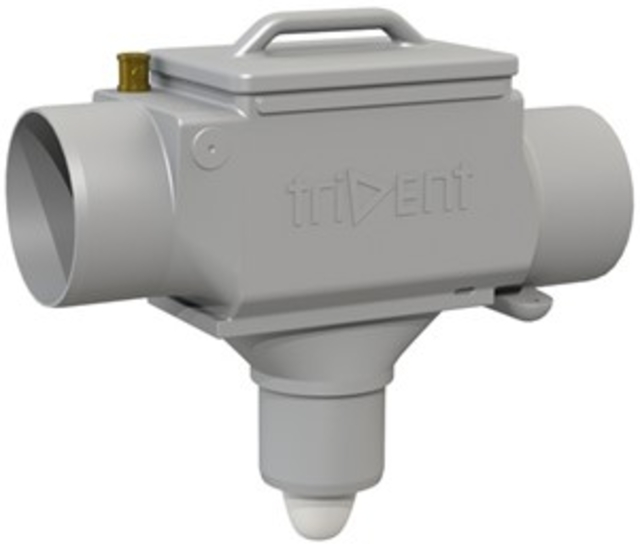
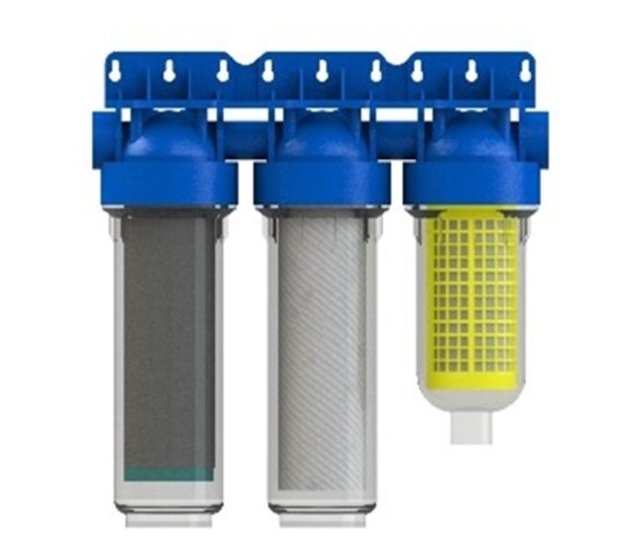
Rainwater filters remove debris, leaves, and other contaminants from collected rainwater before it enters the storage tank. They help ensure that the water remains clean and ready for use, reducing the risk of blockages. Filters come in various types, each designed for different levels of filtration. In order to achieve your desired water quality, you might need to combine multiple rainwater filters.
Rainwater tanks
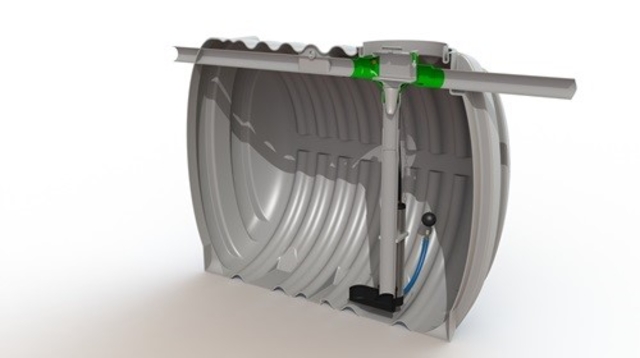
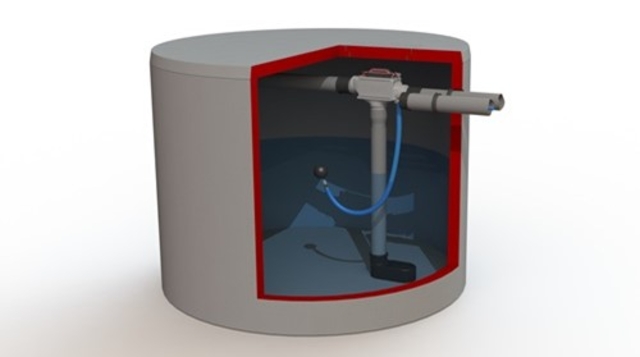
Rainwater tanks are storage units designed to hold collected rainwater until it is needed. They come in various sizes and are either made from plastic or concrete, to suit different requirements. Tanks can be installed above or below ground, depending on space, convenience, and other factors. Rainwater tanks make collected rainwater accessible and usable, by providing a consistent water supply throughout the year.
Pumps
Pumps are used in rainwater harvesting systems to move water from the storage tank to where it is needed, such as toilets, garden hoses, or irrigation systems. They can be submersible, placed inside the tank, or external, located outside the tank. Selecting the right pump that guarantees efficient water flow depends on the tank’s location, water usage, and desired pressure levels.
Distribution systems
The pipes, valves, and outlets that channel collected rainwater from the storage tank to various points of use, together are called the distribution system. This system determines how and where water is distributed. A well-designed distribution system optimises water usage and minimises wastage. However, the design that will achieve this may vary depending on the property’s needs.
Gutters and downspouts
Gutters and downspouts are crucial for capturing rainwater from the roof and directing it into the collection system. Gutters run along the roof’s edge and direct rainwater towards downspouts, which transport it through a filter to the storage tank. They should be regularly cleaned by removing leaves, twigs, and other debris to ensure a smooth flow of water and to prevent leaks or clogged pipes.
First flush diverters
First flush diverters, are designed to divert the initial flow of rainwater away from the storage tank. This initial run-off often contains the most dirt, dust, and contaminants that have settled on the roof or gutters. By flushing away that initial rainfall, the system will run a lot smoother, as only cleaner water enters the tank. This improves the overall water quality and the longevity of the system. Flush diverters are quite simple but highly effective devices.
Water butts
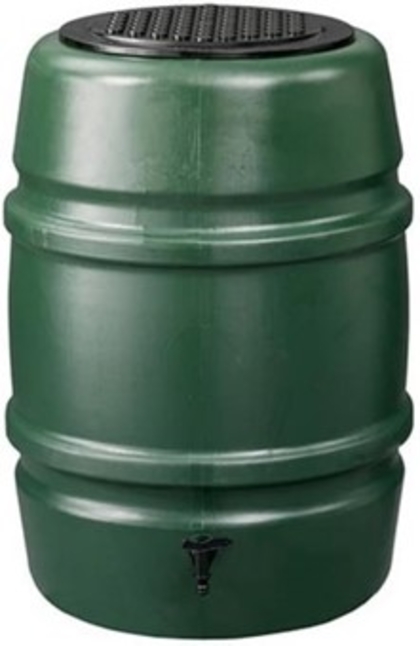
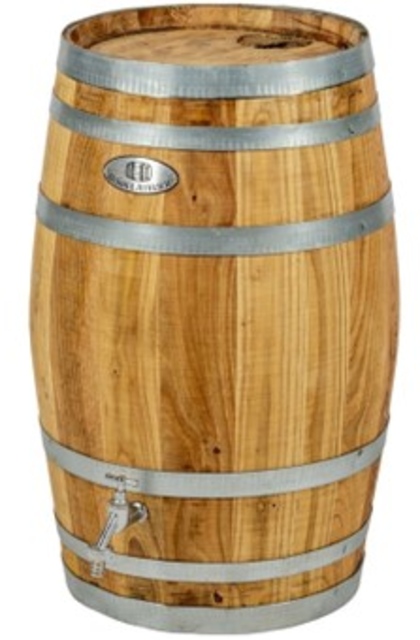
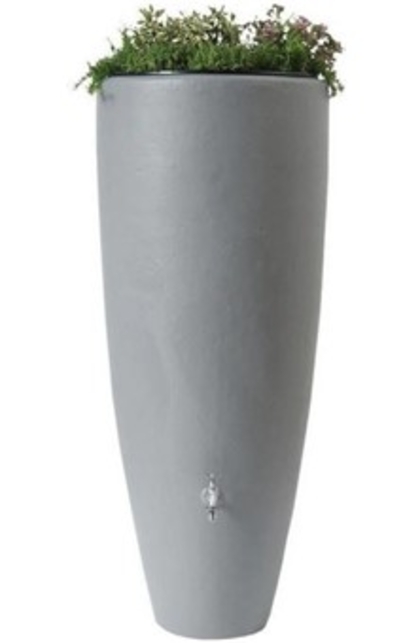
Water butts are small, above-ground rainwater tanks commonly used for garden irrigation. Although they have a smaller capacity than standard rainwater tanks, water butts offer a simple way to conserve water and reduce reliance on mains water. They are compact, affordable, and easy to install. Water butts collect rainwater directly from the gutter downpipes, providing a supply of water that can be used for plants, lawns, or outdoor cleaning.
How do you choose the right rainwater harvesting system?
Choosing a rainwater harvesting system that fits your needs could be quite tricky if you don’t know where to start. Here you’ll find a few things to consider, in order to get a better idea of what rainwater system you need. If you seek more guidance, contact us. We’ll help you pick the best rainwater harvesting system for your situation.
Start with brainstorming
The best way to choose a rainwater harvesting system is by knowing what you want to get out of it. Are you looking for a complex system that allows you to even consume the water, or are you only interested in watering your garden with the filtered rainwater? These uses require different water qualities and therefore different systems.
What factors should you consider before installing a rainwater harvesting system?
Other things to consider before choosing a rainwater harvesting system, are available space, groundwater levels, and the budget. The amount of free space you have can determine whether you’ll need an underground or above ground rainwater tank. Groundwater levels play a role in this decision as well and can determine what material the tank has to be made out of. And last, but certainly not least, you should consider the budget. Especially when you’re investing in a private harvesting system, the prices could add up fairly quickly. Therefore, it is important to let yourself be informed adequately.
How do you calculate water usage and system size?
The size of the rainwater tank can be based on one of two things. It could be based on the roof area, for the bigger the roof the more water can be collected. Or it could be based on the amount of water users. For more information on how to calculate the system size, don’t hesitate to contact us. We’ll help you choose the best system for your needs.
Wondering what rainwater harvesting system you will need?
Get in contact with us! We’ll answer all your questions.
How does the installation of a rainwater harvesting system work?
It is important to note that GEP is only a manufacturer and that we do not install the rainwater collection systems ourselves. The precise way of installing the systems will depend on the specific installer, but the basic steps, which we explain below, will generally be the same.
How do you assess the right location?
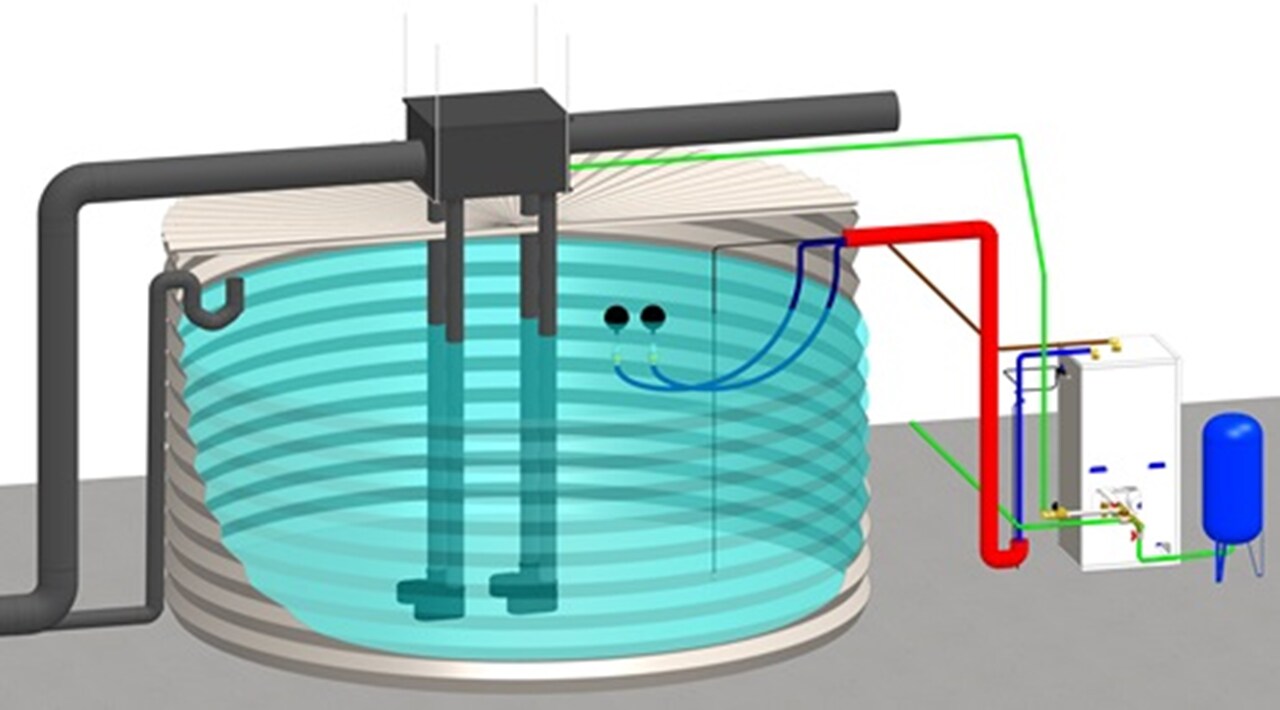
After a proper site assessment, the best fitting rainwater harvest tank is placed on a stable and level surface. If the tank is to be installed underground, a big enough hole has to be dug in which the tank will be placed. Above-ground tanks should be secured to prevent movement.
How do you install a rainwater harvesting system?
The installation starts by installing a filtration system to catch any debris before the water enters the storage tank. After positioning the tank, install a pump if necessary to help distribute the water. Finally, connect the system to desired outlets such as garden hoses, toilets, or irrigation lines, and check if everything is working smoothly.
Do you have questions about the installation?
Ask one of our experts! You’ll receive an answer within 24 hours.
How does maintenance of a rainwater harvesting system work?
Maintaining your rainwater collection system is crucial to ensure the water remains clean and safe for use, preventing contamination from debris, bacteria, or algae growth. Regular maintenance also helps to avoid blockages and system failures, which could lead to costly repairs or reduced efficiency.
Maintenance tips
During maintenance, replace fine filters and clean the filter housing to remove accumulated dirt. This process is fairly quick, simply unscrew the housing, rinse them with water, and use a soft brush for stubborn dirt. Check coarse filters and gutters for leaves or debris, which can often be removed by hand or with a strong jet of water. For harder-to-reach areas, you can use a mild cleaning agent mixed with water. Also, inspect seals around filters and pipes to ensure the system remains watertight and free of leaks.
How to troubleshoot common issues
Although it’s rare, installing a rainwater filtration system can sometimes go wrong, similar to issues with gas or electricity. To prevent this, it’s important to follow the EN16941 regulations. A mistake that people can make is buying systems that don’t meet these standards, often due to a lack of information. To avoid this, choose KIWA-certified filters, as they are tested and proven to be safe. At GEP, we prioritise safety by offering user education sessions, providing KIWA-certified devices, and training certified installers. If you have any questions or concerns about the safety of our rainwater systems, our experts are here to help.




Questions about the safety of our rainwater collection systems?
Don’t hesitate to reach out. We’ll gladly answer all your questions!

Regulations and legal considerations
Some regions offer subsidies or tax benefits for disconnecting rainwater or sustainable rainwater systems. It is definitely worth exploring whether financial support is available for your rainwater collection system.
Is collecting rainwater legal in the UK?
Yes, collecting rainwater is legal in the UK. There are no restrictions on capturing rainwater from rooftops for non-potable uses such as gardening, irrigation, or toilet flushing. However, care must be taken to follow the relevant plumbing regulations to ensure that the harvested rainwater does not mix with the mains water supply, and it must clearly be marked as non-potable water.
GEP’s conclusion: Rainwater harvesting system
FAQ Rainwater harvesting system
A rainwater harvesting system collects, filters, stores, and uses rainwater for various purposes, such as irrigation, toilet flushing, laundry, and more. The system typically includes components like gutters, downspouts, filters, storage tanks, pumps, and distribution networks.
Capturing rainwater from rooftops or other surfaces, helps reduce reliance on mains water, conserve water resources, and manage stormwater run-off more effectively. This reduced water bills, decreased strain on local water supplies, and lessened risk of flooding. Additionally, these systems help protect the environment by minimising soil erosion and reducing the energy required for water treatment and transportation. Implementing a rainwater harvesting system therefore encourages responsible water use and promotes sustainable living.
The basic principle of a rainwater harvesting system is to capture, store, and use rainwater for various applications. Rainwater is collected from surfaces like roofs, filtered to remove debris, and directed into a storage tank. From there, it can be distributed for uses, such as irrigation, toilet flushing, or car washing. This system helps reduce reliance on mains water and supports sustainable water management.
Leave a Reply